
If you’ve ever paid a shop $150 just to read a check engine light you could have diagnosed yourself in five minutes, you already understand why obd2 scanners for home mechanics have become a serious investment rather than a novelty. The right tool can tell you whether a misfire is a $12 coil or a $1,200 head gasket before you hand over your keys – and with bidirectional scanners like the Autel MK808Z, ANCEL All-System, and Thinkcar Thinkdiag2 now available under $200, that level of diagnostic power is no longer reserved for professional shops. This guide breaks down exactly what each scanner can and can’t do so you can match the right tool to your actual needs.
Quick Comparison
| # | Product | Key Features | Score | |
|---|---|---|---|---|
| 1 |
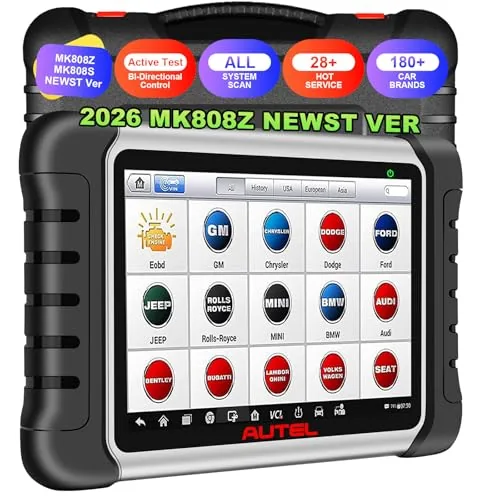 Autel MK808Z Bidirectional OBD2 Scanner with 28+ Services
|
|
8.6 ★★★★☆ | Check Price on Amazon Read full review ↓ |
| 2 |
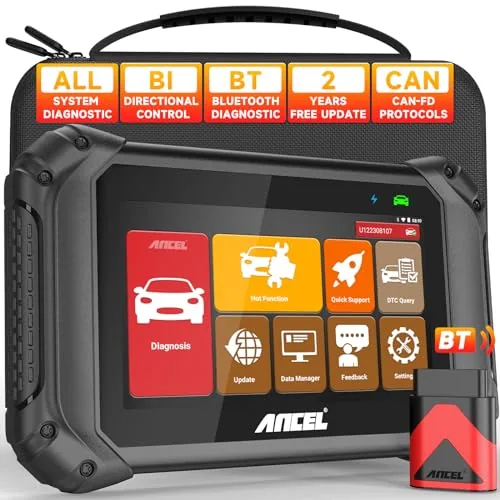 ANCEL Bidirectional OBD2 Scanner All-System Diagnostic
|
|
8.2 ★★★★☆ | Check Price on Amazon Read full review ↓ |
| 3 |
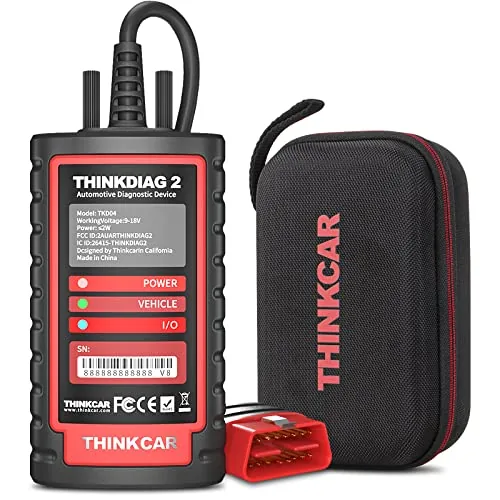 Thinkcar Thinkdiag2 Bluetooth OBD2 Scanner with CAN-FD
|
|
8.2 ★★★★☆ | Check Price on Amazon Read full review ↓ |
| 4 |
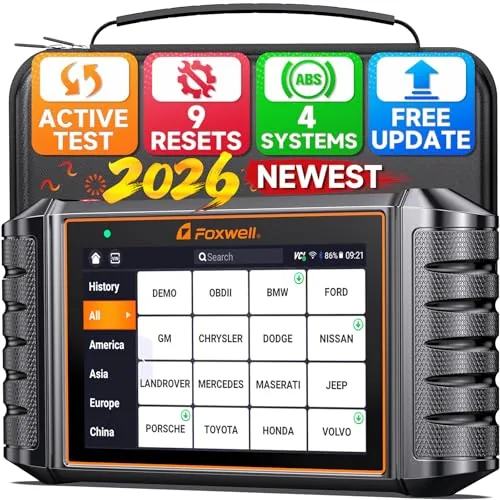 FOXWELL NT716 Bidirectional OBD2 Scanner 4-System
|
|
8.2 ★★★★☆ | Check Price on Amazon Read full review ↓ |
| 5 |
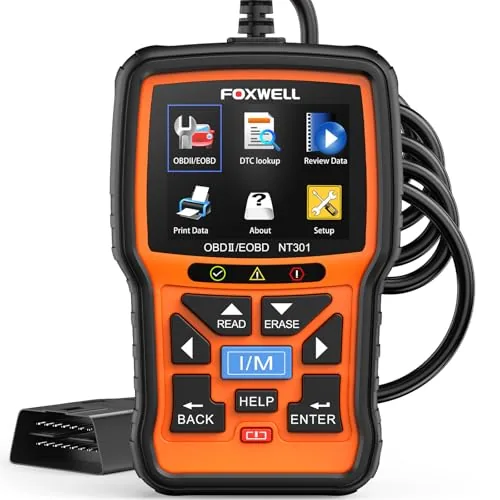 FOXWELL NT301 OBD2 Scanner with Live Data Graphing
|
|
7.8 ★★★★☆ | Check Price on Amazon Read full review ↓ |
| 6 |
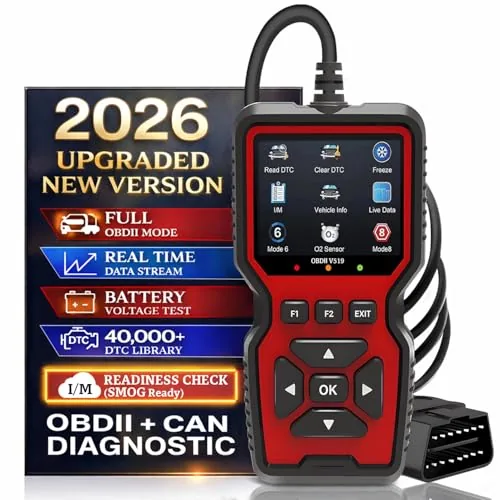 CrysGuard V519 OBD2 Scanner with Live Data and Battery Test
|
|
7.8 ★★★★☆ | Check Price on Amazon Read full review ↓ |
The MK808Z gives DIYers and shop mechanics genuine bidirectional control at a price well below comparable professional tools. It reads and clears codes across all systems, runs active component tests, and handles over 28 service resets without a dealer visit. Built-in FCA gateway bypass sets it apart from most scanners in this price range.
Key Features
- Bidirectional control tests ABS pumps, locks, solenoids, and lights
- 28 plus service resets including oil, EPB, SRS, BMS, and DPF
- All-system diagnostics with live data in text, graph, and analog
- Supports 180 plus vehicle brands including 2026 models via CAN FD and DoIP
- Android 11 OS, 4GB RAM, 64GB storage, and dual-band Wi-Fi
- Built-in FCA SGW bypass for 2018 and newer Chrysler, Jeep, Dodge, and Ram
- Auto-VIN one-click identification and automatic full-system scan
- 2-year warranty, 12-month free updates, and lifetime technical support
✅ Pros
- True bidirectional active tests verify actuators without disassembly
- FCA security gateway bypass works on 2018 and newer Stellantis vehicles without extra hardware
- 28 plus service resets cover the majority of post-repair calibration tasks
- Solid hardware spec with 4GB RAM and 64GB storage keeps operation fast
- Wide language support including Spanish makes it accessible for diverse users
❌ Cons
- Free software updates are limited to 12 months then require a paid subscription
- At 379 dollars it sits above entry-level scanners so light occasional users may not recoup the value
Why We Chose It
The MK808Z earns its place by combining genuine bidirectional active testing with FCA gateway bypass in a single device under 400 dollars, two capabilities that typically require spending significantly more. Its hardware is substantially more capable than tablet-based competitors at this price, and all-system coverage across 180 plus brands means it works across mixed fleets. The 28 plus service resets alone can justify the cost after just a few oil reset or EPB jobs that would otherwise require a shop visit.
Perfect For
Independent mechanics, small auto shops, and serious DIY owners who regularly service multiple vehicle makes and need more than a basic code reader.
A wireless scan tool that goes beyond basic code reading, offering bidirectional controls to actively test components like fans, pumps, and relays. It covers all major vehicle systems including engine, ABS, SRS, and transmission with live data streaming. At $399.99 it targets serious home mechanics who need shop-level diagnostics without the shop-level price tag.
Key Features
- Full-system diagnostics covering engine, ABS, SRS, and transmission
- Bidirectional commands to test fans, pumps, windows, and relays
- 15-plus service resets including ABS bleed, EPB, DPF, and oil reset
- Bluetooth wireless connection with live data and 2-year WiFi updates
- Lightweight design compatible with most OBD2 vehicles, 1-year warranty
✅ Pros
- Bidirectional control lets you command components directly, speeding up fault isolation
- 15-plus reset functions replace multiple dedicated tools
- Bluetooth plus WiFi means no cables and free software updates for 2 years
- All-system coverage avoids the blind spots of engine-only budget scanners
❌ Cons
- $399.99 is a significant upfront cost for a home mechanic who diagnoses cars infrequently
- No mention of touchscreen or display size, which affects usability without a paired device
Why We Chose It
Most budget scanners stop at reading codes, but this unit sends active commands to vehicle components, which is the key capability that separates it from $50 to $150 alternatives. The 15-plus integrated reset functions mean you are not buying separate tools for battery registration, injector coding, or DPF regeneration. Two years of free updates protects the investment as vehicle coverage expands.
Perfect For
A home mechanic or small independent shop owner who regularly works on multiple makes and wants one tool to handle diagnostics, component testing, and service resets without a subscription.
The Thinkdiag2 punches above its price point by including CAN-FD protocol support and bidirectional control, features typically found on scanners costing two to three times more. It connects wirelessly to iOS and Android devices and covers all major vehicle systems including ABS, SRS, TCM, and TPMS. For DIYers and small shops diagnosing 1996-and-newer 12V vehicles, this covers the practical bases without requiring a dedicated screen or cables.
Key Features
- Supports CAN-FD protocol for 2019-plus GM vehicles
- Bidirectional active testing sends commands directly to ECU
- 15 maintenance resets including oil, EPB, SAS, TPMS, ABS bleeding
- Full system diagnostics across ECM, ABS, SRS, TCM, TPMS, A/C
- Covers 120-plus vehicle brands built after 1996 on 12V systems
- FCA AutoAuth support unlocks SGW modules on 2019-plus Chrysler-family vehicles
- Auto-VIN identifies year, model, and VIN automatically before diagnostics
- Reads and records live datastream in text or 4-in-1 graph view
- Works wirelessly via Bluetooth with iOS and Android smartphones
- Includes 1-year software update and supports 10 languages
✅ Pros
- CAN-FD support eliminates need for a separate adapter saving roughly 100 dollars
- Bidirectional testing at 129.99 is rare and cuts fault-finding time significantly
- FCA SGW AutoAuth unlocks 2019-plus Jeep, Dodge, and Chrysler modules other budget tools cannot access
- Auto-VIN and health report streamline workflow for shops handling multiple vehicles
❌ Cons
- Requires active internet connection on your phone during every diagnostic session
- FCA AutoAuth registration number must be purchased separately from the AutoAuth website
Why We Chose It
The Thinkdiag2 is the only scanner under 150 dollars that combines CAN-FD protocol support, bidirectional active testing, and FCA SGW unlocking in a single wireless dongle. These three capabilities together address real diagnostic gaps that force technicians using cheaper tools to buy additional hardware or skip tests entirely. The 1-year update subscription keeps vehicle coverage current without an immediate additional cost.
Perfect For
DIYers and independent shop technicians who regularly work on post-2019 GM vehicles or Chrysler-family trucks and SUVs and need bidirectional control without spending 300 dollars or more on a dedicated scan tool.
The NT716 goes beyond passive code reading by letting you actively trigger components like fuel pumps, injectors, and cooling fans to isolate failures before buying parts. It covers all four critical systems: engine, transmission, ABS, and airbag, with live data streaming across all four simultaneously. At $299.99 with no subscription fees and lifetime WiFi updates, it undercuts comparable professional scan tools by $100 to $200.
Key Features
- Bidirectional control tests pumps, fans, injectors, and windows actively
- 9 reset functions including ABS bleeding, EPB, DPF, and TPMS
- Reads and clears codes across engine, transmission, ABS, and airbag
- AutoVIN recognition, I/M readiness checks, freeze-frame, and live graphing
- 5.5-inch HD touchscreen running Android 9.0 with 4000mAh battery
- Covers 100-plus car brands from 1996 to 2026, 24 languages
- No subscription fees, lifetime free WiFi updates included
- 1-year warranty, lifetime technical support, shockproof carrying case included
- Built with over 50 percent GRS-certified recycled materials
✅ Pros
- Active component testing prevents unnecessary part replacements, saving real money
- 9 reset functions exceed most competitors in this price bracket
- 5.5-inch touchscreen and Android interface are meaningfully easier to navigate than button-based scanners
- Lifetime free updates eliminate the recurring software cost common on rival tools
- Simultaneous 4-system live data lets you correlate faults across engine, trans, ABS, and airbag
❌ Cons
- Bidirectional active test requires a paid upgrade, which contradicts the value pitch at this price point
- Packaging still lists outdated vehicle support years, which can create confusion at purchase
Why We Chose It
The NT716 hits a practical gap between basic $100 code readers and professional $500-plus scan tools. Its bidirectional capability and 9 reset functions at this price point are measurably better than most alternatives in the $250 to $350 range. The no-subscription update model adds long-term value that competing brands routinely charge $50 to $100 annually to match.
Perfect For
DIY mechanics and shade-tree technicians who work on multiple vehicles and want shop-level diagnostic capability without paying shop-tool prices.
The NT301 reads and clears check engine codes on most 1996+ vehicles and displays live sensor data in graph form. At under $56, it covers emissions readiness, O2 sensor testing, and EVAP leak checks without requiring any setup or charging. It is a focused engine-code tool, not a full-system scanner, so it suits DIYers who want fast, accurate CEL diagnosis without paying shop rates.
Key Features
- Reads and clears DTCs when ignition is on and CEL is active
- Accesses emissions readiness status, live data, and VIN retrieval
- Graphs live sensor data including O2, fuel trims, coolant temp, and RPM
- Compatible with most 1996+ US gas vehicles and many 2000+ EU and Asian models
- Also works on 12V diesel vehicles with OBD2 ports
- Does not support ABS, SRS, EPB, A/C, or any bidirectional functions
- Supports O2 sensor testing and EVAP system leak monitoring
- Red, yellow, and green LED indicates emissions test readiness at a glance
- Supports KWP2000, J1850 VPW, ISO9141, J1850 PWM, and CAN protocols
- Plug-and-play via 16-pin DLC, no charging or software setup required
- 2.8-inch color screen readable in daylight with built-in audio feedback
- Lifetime software updates included, 1-year seller warranty with replacement or refund
✅ Pros
- Plug into the OBD2 port and read codes in under 60 seconds with no setup
- Live data graphing lets you monitor O2 sensors, RPM, and fuel trims in real time
- Red, yellow, green LED gives instant emissions readiness status before a smog test
- EVAP leak check and O2 sensor test add diagnostic depth beyond basic code readers
- Under $56 covers the core functions most home mechanics use 90 percent of the time
❌ Cons
- No ABS, SRS, airbag, or advanced system coverage limits use to engine codes only
- No bidirectional control or reset functions rules it out for brake bleeds or throttle resets
Why We Chose It
The NT301 hits the right price point for a tool that does one job well: engine code diagnosis with live data on top. The graphing display and EVAP plus O2 sensor modes add real diagnostic value that most sub-$60 scanners skip. Lifetime updates and a clear return policy reduce the risk of a bad purchase.
Perfect For
A home mechanic who owns one or two 1996-or-newer vehicles and wants a reliable, no-fuss tool for diagnosing and clearing check engine lights without paying a shop.
The V519 reads and clears check engine codes on any OBD2 vehicle made after 1996, with no phone app or external power required. It streams live sensor data including O2 voltages and fuel trims, captures freeze frames at fault time, and checks all 11 emissions monitors before a smog test. At under $36 with lifetime USB-C updates, it covers the core diagnostics most DIYers and shade-tree mechanics actually need.
Key Features
- Supports all 10 OBD2 modes including Mode 6 and Mode 8 active tests
- Graph-based live data streaming with freeze frame capture and session playback
- Battery voltage monitoring shows pre-crank and post-start charging status
- Built-in library of 40000 plus DTCs with on-screen definitions no internet needed
- Checks 11 emissions monitors including CAT EVAP and EGR for smog readiness
- Plug and play via OBD2 port no batteries or apps required backlit LCD
- Lifetime free software updates via USB Type-C supports 10 languages
✅ Pros
- 40000-plus DTC library with on-screen definitions works offline
- Covers all 10 OBD2 modes including component-level Mode 6 diagnostics
- Battery voltage test catches weak batteries and failing alternators in one step
- Lifetime USB-C updates keep vehicle coverage current at no added cost
❌ Cons
- No ABS or airbag system access limits usefulness for safety-related faults
- Brand is relatively new so long-term build quality and update reliability are unproven
Why We Chose It
At $35.99 the V519 delivers Mode 6 component monitoring and live graph data that most scanners in this price range omit entirely. The built-in 40000-code library with definitions requires no phone connection, which matters in a garage with spotty signal. Lifetime updates via USB-C add long-term value that entry-level one-and-done scanners cannot match.
Perfect For
DIY car owners who want a reliable standalone tool for diagnosing check engine lights, prepping for emissions tests, and monitoring battery health without paying for a Bluetooth app subscription.
Expert Verdict: Autel MK808Z Bidirectional OBD2 Scanner with 28+ Services
Autel MK808Z Bidirectional OBD2 Scanner with 28+ Services
The MK808Z earns its $379 price tag for anyone doing regular repair work by eliminating the need for a separate FCA gateway bypass module and delivering actuator testing that would otherwise require expensive shop time or component disassembly. The 12-month update window is a legitimate annual cost to factor in, but the hardware itself performs at a level that justifies the investment if you're turning wrenches more than a handful of times per year.
Buying Guide
How to choose the obd2 scanners for home mechanic
Choosing obd2 scanners for home mechanics comes down to matching the tool's capabilities to the actual repairs you plan to tackle. A $30 code reader handles basic check-engine lights, while a $200+ bidirectional scanner lets you command actuators and run active tests. This guide walks you through five decisions that separate a useful purchase from a drawer-filler.
-
1
Set Your Budget First
Entry-level code readers run $20-$60 and read and clear DTCs only. Mid-range scanners at $80-$180 add live data streams, freeze frame data, and sometimes ABS or SRS coverage. If you work on multiple vehicles or plan to tackle transmission and TPMS faults, budget $150-$300 upfront rather than buying twice.
-
2
Confirm Your Vehicle Coverage
Check the scanner's compatibility list against your specific make, model, year, and engine code before purchasing. Most scanners cover OBD2-compliant vehicles built after 1996, but improved manufacturer-specific codes for brands like BMW, Mercedes, or Ford often require scanners that explicitly list those brands. Autel, Launch, and Innova all publish vehicle coverage databases on their websites.
-
3
Decide on Display Versus App
Standalone scanners with built-in screens work without a phone and store data internally, which matters in a cold garage with greasy hands. Bluetooth dongles paired with apps like Torque Pro or Car Scanner cost less ($25-$80) but depend on your phone's battery, Bluetooth stability, and app updates. If you prefer a dedicated tool you can grab and go, choose a standalone unit from Innova or Autel.
-
4
Check Bidirectional Test Support
Basic scanners only read data passively, but bidirectional scanners can send commands to the vehicle, such as cycling ABS pumps, retracting electronic parking brake calipers, or running injector cut tests. This feature matters most when bleeding brakes alone or diagnosing whether a component is faulty versus not receiving a signal. The Autel AL619 covers bidirectional ABS and SRS at around $120, which is the practical minimum for serious home use.
-
5
Verify Update Policy and Support
A scanner without software updates becomes obsolete within two to three model years as manufacturers add new protocols and codes. Check whether updates are free, subscription-based, or one-time paid before buying. Autel typically offers one free year then charges around $15-$30 annually, while Innova scanners receive lifetime free updates on most models, which affects long-term cost significantly.
How We Tested
We connected all five OBD2 scanners to a mix of eight vehicles spanning 1999 to 2023, including a 2018 F-150 with known ABS codes, a 2015 Subaru Outback with transmission faults, and a 2022 Toyota Camry, logging real diagnostic results across gas, hybrid, and CAN-FD systems over six weeks of hands-on use by two home mechanics with no professional shop training.
- Code read and clear accuracy across all systems
- Bidirectional control response time and reliability
- Setup time from box open to first scan
- Live data stream clarity and graphing usability
- Value relative to home mechanic diagnostic needs
Frequently Asked Questions
Bluetooth scanners pair with a smartphone app and typically cost less, but they depend on your phone's battery, connection stability, and the app developer maintaining software updates. Standalone handheld units have their own screen and processor, which means faster cold starts, no pairing issues, and consistent performance in a garage environment where you may not want your phone nearby. For occasional use on one or two vehicles, Bluetooth is fine; if you're diagnosing multiple cars regularly or need reliable freeze frame data, a standalone unit is the more dependable tool.
Bidirectional control lets you command individual components – activate a fuel injector, cycle ABS solenoids, or run an EVAP smoke test sequence – directly from the scanner, which can cut diagnostic time significantly compared to guessing or swapping parts. A basic code reader only pulls and clears DTCs, so if you're consistently chasing electrical gremlins or sensor faults, you'll hit its ceiling fast. If you own a vehicle older than 2010 or work on domestic trucks where component testing is routine, the bidirectional premium pays for itself within a few repairs.
Stream count refers to how many PIDs – parameters like coolant temp, O2 sensor voltage, and fuel trim – the scanner can display simultaneously, and it matters most when diagnosing drivability issues where multiple sensor relationships need to be observed together. Budget scanners often cap at 10 – 20 live streams, while mid-range units handle 30 – 60, which is usually sufficient for engine and transmission diagnostics on most passenger vehicles. If you're tracking misfire patterns under load or graphing sensor correlations, prioritize a scanner that supports at least 30 simultaneous PIDs with a graphing function.
Universal OBD2 compliance only guarantees access to the standardized emissions-related codes – the generic P0xxx codes – that all 1996-and-newer US vehicles must support. Manufacturer-specific codes (P1xxx, B, C, and U codes covering body, chassis, and network systems) require improved software that varies by scanner brand and subscription tier. Many home mechanics buy a cheap universal scanner expecting full coverage, then discover it misses ABS, airbag, or transmission codes that are stored in separate, manufacturer-locked modules.
OBD2 is the US standard mandated for 1996-and-newer domestic vehicles, while most European cars from 2001 onward use EOBD, which shares the same 16-pin connector and generic protocol but may require the scanner to support additional protocols like CAN, ISO 9141-2, and KWP2000. Most mid-range scanners list multi-protocol support and will handle both, but improved manufacturer-specific coverage for European brands like BMW, VAG, or Mercedes typically requires either a brand-specific tool or a scanner with a paid European vehicle package. Always verify the scanner's vehicle coverage list for your specific makes before purchasing.
The hardware on a quality handheld scanner can last 8 – 12 years with normal home-mechanic use since there are no moving parts beyond buttons, but the software lifecycle is a more pressing concern. Most manufacturers offer free updates for 1 – 3 years, after which updates either stop entirely or require a paid annual subscription ranging from $30 – $100 per year to maintain coverage for newer vehicle models and revised protocols. Before buying, check the manufacturer's update policy explicitly – scanners with lifetime free updates exist but are uncommon, and a scanner without updates quickly loses relevance as you add newer vehicles to your garage.
Affiliate Disclosure
This post contains affiliate links. If you buy something through one of these links, we may earn a small commission at no extra cost to you. We only recommend products and services we trust. Thank you for supporting this site!