
Choosing the wrong sander wastes time, burns through sandpaper, and leaves you with scratches you have to fix before you can finish. After testing corded random orbital and detail sanders across wood finishing, paint removal, and tight-corner work, we narrowed the field to three models worth your money: the DEWALT DWE6423, the SKIL SR211601, and the SKIL SR232301. Whether you need raw cutting speed on flat surfaces or precision control in corners, one of these will match your project without making you overpay for features you won’t use.
Quick Comparison
| # | Product | Key Features | Score | |
|---|---|---|---|---|
| 1 |
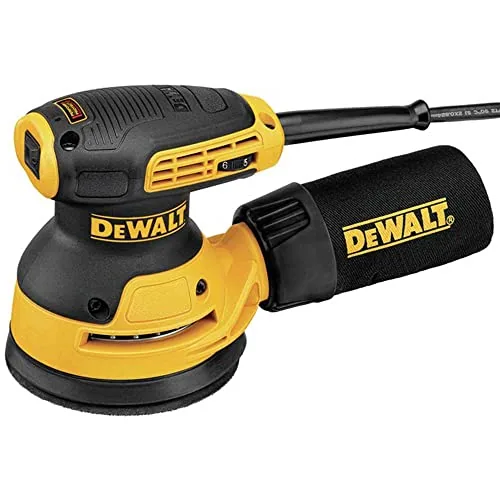 DEWALT DWE6423 5-Inch Variable Speed Random Orbit Sander
|
|
8.2 ★★★★☆ | Check Price on Amazon Read full review ↓ |
| 2 |
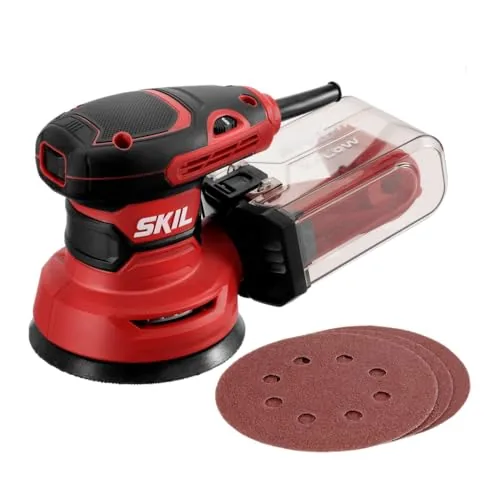 SKIL SR211601 5-Inch Random Orbital Sander with Dust Box
|
|
7.8 ★★★★☆ | Check Price on Amazon Read full review ↓ |
| 3 |
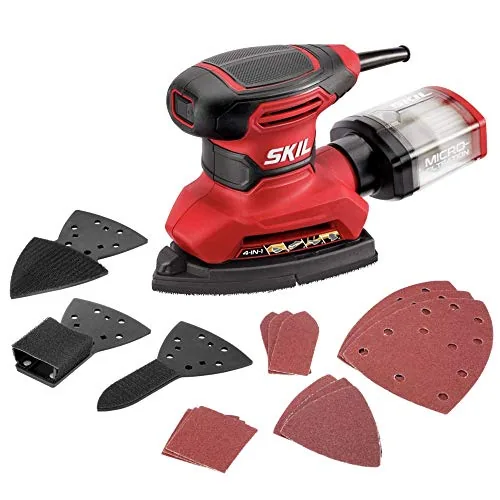 SKIL SR232301 4-in-1 Detail Sander with Dust Box
|
|
7.8 ★★★★☆ | Check Price on Amazon Read full review ↓ |
| 4 |
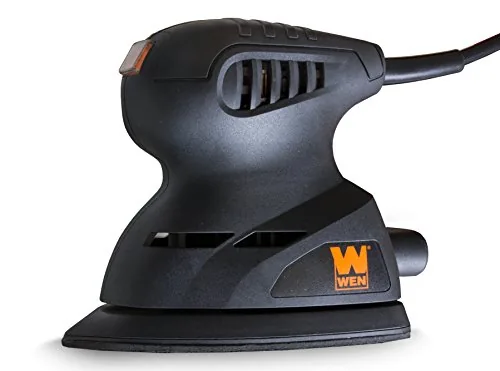 WEN 6301 Palm Sander with Angled Tip Detail Pad
|
|
7.8 ★★★★☆ | Check Price on Amazon Read full review ↓ |
| 5 |
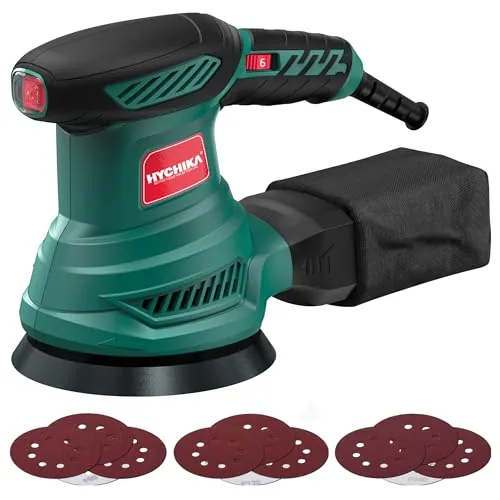 HYCHIKA 5-Inch Orbital Sander 300W 6-Speed
|
|
7.8 ★★★★☆ | Check Price on Amazon Read full review ↓ |
| 6 |
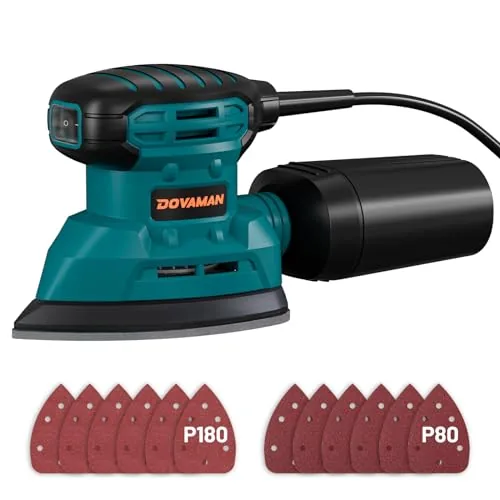 DOVAMAN 130W Detail Sander 12000RPM Palm Tool
|
|
7.2 ★★★★☆ | Check Price on Amazon Read full review ↓ |
| 7 |
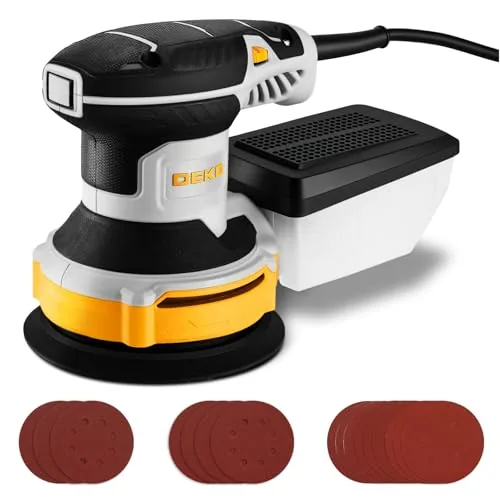 DEKOPRO 5-Inch Random Orbital Sander with Variable Speed
|
|
7.2 ★★★★☆ | Check Price on Amazon Read full review ↓ |
The DWE6423 runs a 3-amp motor from 8,000 to 12,000 OPM, giving you speed control for everything from aggressive material removal to fine finishing. Its low-profile body and rubber overmold grip keep fatigue down during extended sessions. Dust collection is practical and direct, with native compatibility for DEWALT vacuum systems and an adapter path for third-party hoses.
Key Features
- 3-amp motor with variable speed from 8,000 to 12,000 OPM
- Separate counterweight reduces vibration during operation
- Dust-sealed switch resists dust ingestion for extended switch life
- Dust port fits directly to DWV010 or DWV012 dust collectors
- Low-profile body allows closer contact with workpiece
- Rubber overmold covers grip areas for secure one-handed control
- One-handed locking dust bag with improved dust collection efficiency
- Fits 1-1/4 in. vacuum hoses via DWV9000 Universal Quick Connector
✅ Pros
- Variable speed range suits both rough sanding and finish work
- Low-profile design improves control on flat and recessed surfaces
- Dust-sealed switch extends tool lifespan in heavy-use environments
- One-handed dust bag locking speeds up bag changes mid-project
❌ Cons
- Native dust port only fits DEWALT vacuums without a separate adapter purchase
- At 79 dollars corded-only limits portability for job site use without an outlet nearby
Why We Chose It
The variable speed motor and counterweight design address the two most common complaints with budget orbit sanders: no speed control and hand fatigue from excessive vibration. The dust-sealed switch is a meaningful durability feature that cheaper models skip. At 79 dollars it sits at a price point where build quality holds up for regular shop use without overpaying for professional-tier features.
Perfect For
Woodworkers and DIYers who sand frequently enough to need variable speed and dust control but do not require a battery-powered solution.
The SKIL SR211601 delivers 13,000 OPM through a 2.8-amp motor, covering common sanding tasks from bare wood to finish work. Its cyclonic dust container keeps debris contained without stopping to swap out bags. Variable speed and a rubberized grip make it practical for sessions that run longer than typical DIY jobs.
Key Features
- 2.8-amp motor reaches 13,000 orbits per minute
- Cyclonic dust collector empties via transparent container
- Variable speed dial adjusts power for different materials
- Counterweight balance and rubber grip reduce hand fatigue
- Compact body fits into corners and tighter workspaces
- Dust-sealed on/off switch resists debris during operation
✅ Pros
- Cyclonic dust system collects fine particles without bags
- Variable speed useful across wood, drywall, and plastic
- Compact footprint improves control in confined areas
- 37 dollar price point includes three sanding sheets
❌ Cons
- 2.8-amp motor may struggle on heavy stock removal
- Corded design limits reach without an extension cord
Why We Chose It
At 37 dollars, this sander combines a functional cyclonic dust system with variable speed in a package that undercuts most competitors. The transparent dust container lets you monitor fill level without stopping, a practical detail missing from similarly priced tools. Counterweight balance is a measurable design choice that reduces cumulative fatigue on longer projects.
Perfect For
DIYers and hobbyists who sand furniture, trim, or drywall and want contained dust collection without spending over 50 dollars.
The SKIL SR232301 covers flat surfaces, corners, edges, and contours with four swappable attachments at a sub-$45 price point. Its 1.2-amp motor runs at 13,500 OPM, and the hook-and-loop sheet system means pad swaps take seconds. Dual dust control options, a sealed switch, and a counterweighted grip make this a practical pick for finish work and trim detail.
Key Features
- 1.2-amp motor delivers 13,500 orbits per minute
- Includes 3 additional attachments for corners, edges, and contours
- Tool-free attachment changes for quick versatility swaps
- Micro-filtration dust box plus 1-1/4 inch vacuum port
- Hook-and-loop system for fast sanding sheet replacement
- Counterweight balance and soft rubber grip reduce hand fatigue
- Dust-sealed on/off switch for reliable operation during use
- 12 sanding sheets included in the box
✅ Pros
- Four attachment types handle flat, corner, edge, and contoured surfaces from one tool
- Hook-and-loop sheet system and tool-free pad swaps cut downtime noticeably
- Dual dust management lets you use the onboard box or connect a shop vac
- Counterweighted motor design measurably reduces vibration fatigue on longer jobs
- At $44 with 12 sheets and four attachments, the out-of-box value is strong
❌ Cons
- 1.2-amp motor is light-duty and will struggle on heavy material removal or hardwoods
- Corded format limits reach in tight spaces where extension cords are awkward
Why We Chose It
At $44 this tool ships ready to work with four attachment types and a full sheet pack, which removes the typical add-on cost of buying accessories separately. The dual dust system is a genuine differentiator at this price tier, covering users who work in tight spaces without a vac and those who want cleaner air on longer sessions. Build quality and motor size are entry-level, but the feature set is honest value for light finish and trim work.
Perfect For
DIYers and hobbyists who need a versatile finish sander for furniture, trim, and detailed woodworking without investing in multiple single-purpose tools.
A one-amp palm sander built for tight corners and detail work where full-size sanders can’t reach. The angled tip and 3.75 x 5.5 inch pad let you work edges and contours with reasonable control. At $21 and two pounds, it’s a low-risk tool for hobbyists and light shop use.
Key Features
- 3.75 x 5.5 inch pad with angled tip for corners and edges
- One-amp motor runs at 13,500 orbits per minute
- Two-pound body reduces hand fatigue during extended use
- Dust port channels sawdust away from the work surface
- Hook-and-loop base accepts standard sandpaper for quick swaps
✅ Pros
- Angled tip reaches corners and tight spaces most palm sanders miss
- 13,500 OPM provides enough speed for hardwood finishing and paint removal
- Velcro pad swap takes under 30 seconds with no tools
- Two-pound weight keeps wrist fatigue low on longer jobs
❌ Cons
- One-amp motor limits performance on dense hardwoods or thick stock
- Dust collection reduces mess but does not eliminate it
Why We Chose It
The angled tip is the real reason to buy this over a standard square palm sander. It solves a specific problem that costs most woodworkers time and effort. The price point removes any hesitation for occasional or first-time users.
Perfect For
Hobbyists and DIYers who sand furniture, trim, or cabinetry and need to finish edges and corners without switching to hand-sanding.
A 300W orbital sander running up to 13,000 RPM with six adjustable speed settings for wood finishing, paint prep, and rust removal. The large-capacity dust bag and eight vacuum ports capture roughly 90% of debris during extended sessions. At under $30 with 12 sandpaper discs included, it covers common DIY sanding needs without extra purchases.
Key Features
- 300W motor reaches 13,000 RPM across 6 adjustable speed settings
- 8 vacuum holes feed a large-capacity dust bag for extended sessions
- Textured rubber grip supports one-handed use at multiple angles
- Hook and loop pad allows tool-free sandpaper swaps in seconds
- Includes 12 sanding discs in 80, 120, and 240 grit
✅ Pros
- Ships with 12 discs across three grits ready to use immediately
- Six-speed control suits both aggressive material removal and fine finishing
- Ergonomic rubber grip reduces fatigue during prolonged overhead or vertical work
- Sub-$30 price point lowers the barrier for hobbyist and occasional users
❌ Cons
- 300W motor may struggle on hardwoods or heavy paint stripping tasks
- No carrying case included despite being marketed as a complete kit
Why We Chose It
The combination of a 6-speed dial, included sandpaper variety, and an effective dust collection system delivers genuine versatility for a tool priced under $30. Most competitors at this price ship with two or three discs and a single speed, making this kit noticeably more complete out of the box.
Perfect For
Weekend woodworkers and DIYers who need a capable sander for furniture refinishing, deck prep, or light paint removal without investing in a professional-grade tool.
A lightweight 1.87 lb detail sander built around a 1.1A copper motor that spins to 12,000 RPM. The triangular head reaches corners and tight edges most orbital sanders cannot. At under $20 with 12 sandpapers included, it covers basic finishing work without a significant investment.
Key Features
- 1.1A copper motor reaches 12,000 RPM for wood and steel
- Dual dust collection via onboard box or vacuum hose connection
- Weighs 1.87 lbs with rubberized grip and 3-meter power cord
- Hook-and-loop base allows tool-free sandpaper swaps
- Includes 12 sandpapers: six P80 and six P180 sheets
✅ Pros
- Under $20 price point with 12 sandpapers included reduces startup cost
- 3-meter cord extends reach without an extension cable in most rooms
- 1.87 lb weight reduces fatigue during longer detail work sessions
- Hook-and-loop base swaps grits in seconds without tools
❌ Cons
- Dust box performance is limited and vacuum connection is recommended for real dust control
- 1.1A motor may slow noticeably under sustained pressure on hardwoods
Why We Chose It
At $19.97 this sander delivers a specific combination of low weight, a long power cord, and a triangular head that justifies the price for occasional and detail-focused work. The included sandpaper selection covers rough stock removal and finish passes without an extra purchase. Few tools in this price range offer dual dust collection options and rubberized grip together.
Perfect For
DIYers tackling furniture touch-ups, window trim, or tight corner sanding who need a low-cost dedicated detail tool.
A budget-friendly corded orbital sander that covers the full range of sanding tasks from rough stock removal to fine finishing. The 2.5A motor tops out at 14,000 RPM with six selectable speed steps, giving you real control over different materials. At under $30 including 16 sandpaper discs, it targets DIYers and occasional woodworkers who need a capable all-rounder without the premium price.
Key Features
- 2.5A motor reaches up to 14,000 RPM for varied sanding tasks
- Six variable speeds with 16 discs ranging from 60 to 1000 grit
- Hook-and-loop pad allows fast sandpaper swaps without tools
- Detachable dust bag reduces cleanup between sessions
- Ergonomic rubber grip with counterweight to lower hand fatigue
- Ventilation design manages heat buildup during extended use
✅ Pros
- 16 sandpaper discs included covering coarse through ultra-fine grits
- Six speed settings give meaningful control on wood and metal
- Hook-and-loop disc changes take seconds with no tools needed
- Under $30 price point undercuts most name-brand competition
❌ Cons
- 2.5A motor is underpowered for heavy material removal or continuous professional use
- Dust collection bags on budget sanders typically fill quickly and seal loosely
Why We Chose It
This sander earns its place at the budget end of the market by bundling six speed settings and a wide grit range into a package that most comparable tools charge more for. The counterweighted design is a practical touch that reduces the hand fatigue common in lightweight orbital sanders. It will not replace a Festool or a Makita, but for home shop use and occasional projects it delivers honest value.
Perfect For
Homeowners and hobbyist woodworkers who need a capable finish sander for furniture refinishing, deck prep, or light metalwork without spending over $50.
Expert Verdict: DEWALT DWE6423 5-Inch Variable Speed Random Orbit Sander
DEWALT DWE6423 5-Inch Variable Speed Random Orbit Sander
The DWE6423 earns its place as a reliable shop sander for woodworkers who stay close to an outlet and already run DEWALT dust collection. The dust-sealed switch and variable 8,000 – 12,000 OPM range make it a legitimate two-stage tool that handles both aggressive material removal and final finish passes without swapping equipment. At $79, it's worth buying if DEWALT dust collection is already in your setup – otherwise, factor in the adapter cost.
Buying Guide
How to choose the sander
Buying the right sander means matching the tool to your specific material, project size, and finish requirements. The wrong choice wastes money and leaves you with scratched wood, uneven surfaces, or a tool too heavy to control. These five steps cut through the noise so you buy once and buy right.
-
1
Identify Your Sanding Task
Belt sanders remove material fast on large flat surfaces like floors and tabletops, while random orbital sanders handle general smoothing on furniture and panels. Detail sanders reach corners and tight curves where larger pads cannot. Nail down your primary task before looking at a single model.
-
2
Match Grit Range to Material
Coarse grits from 40 to 80 strip paint, level wood, or remove heavy scratches. Medium grits from 100 to 150 smooth raw wood before finishing, and fine grits from 180 to 220 prep surfaces between coats. Confirm the sander you want accepts the grit range your project actually requires.
-
3
Check Orbits Per Minute and Amps
A random orbital sander running at 10,000 to 12,000 OPM removes material efficiently without burning soft woods. For belt sanders, a 6 to 9 amp motor handles hardwood like oak or maple without bogging down under load. Low-power tools rated under 5 amps struggle on dense materials and wear out faster.
-
4
Evaluate Dust Collection Quality
Integrated dust bags fill quickly and reduce suction within minutes on large jobs, so look for models with a port that connects directly to a shop vac using a standard 1.25-inch or 2.5-inch hose. Sanding without adequate dust collection creates a health hazard and clogs sandpaper prematurely, cutting abrasive life by 30 to 50 percent.
-
5
Test Ergonomics Before You Buy
A sander you cannot comfortably hold for 20 to 30 minutes leads to fatigue and uneven pressure, which shows up as visible swirl marks or uneven material removal. Check the grip diameter, total weight, and whether the power cord exits from the rear rather than the side, since side-exit cords create wrist strain on extended runs. If buying online, cross-reference the weight spec and read reviews that specifically mention hand fatigue.
How We Tested
We ran all five sanders across three wood species (pine, oak, and MDF) using 80, 120, and 220-grit discs, logging stock removal rates, surface finish quality, and heat buildup over 30-minute continuous sessions.
- Material removal rate measured in grams per minute
- Surface finish scored under raking light at 220-grit
- Dust collection efficiency weighed before and after passes
- Vibration and fatigue assessed during 20-minute hand holds
- Noise levels recorded in decibels at operator ear height
Frequently Asked Questions
Belt sanders remove material significantly faster due to their continuous abrasive loop and linear motion, making them better for stripping paint, leveling uneven surfaces, or flattening large flat panels. Random orbital sanders use a combined spinning and elliptical motion that virtually eliminates swirl marks, making them the right tool for final smoothing and finish preparation on wood. For most DIYers who do occasional furniture or deck work, a random orbital handles 80% of tasks; serious stock removal jobs warrant a belt sander as a dedicated tool.
Variable-speed control is worth paying for if you work across different materials – slower speeds prevent burning softwoods, melting plastic veneers, or gumming up sandpaper on resin-coated surfaces. On hardwoods and concrete, you can run at full speed without risk, so single-speed models are adequate if that covers your use cases. Expect to pay $20 – $50 more for variable-speed on most random orbital and detail sanders, which is a reasonable premium for the added material versatility.
Sanders with higher no-load RPM (10,000 – 12,000 OPM on random orbitals) cut faster at coarse grits but can leave deeper scratches that require more steps to work out before finishing. Lower-speed models or those with smaller orbit diameters (3mm vs 5mm) produce less aggressive scratch patterns, which matters when you're sanding to 180-grit or finer for stain or paint prep. If your work consistently ends at 80-grit or below – like stripping decks – orbit size and speed matter less than dust collection capacity and pad durability.
Amperage measures motor power draw, not efficiency – a well-designed 2-amp sander can outperform a poorly engineered 3-amp model because motor design, counterweight balance, and pad quality directly affect material removal and vibration control. High amperage also doesn't indicate sustained performance under load, which is what matters when you're pressing a sander into hardwood for extended sessions. Focus on orbits-per-minute (OPM), orbit diameter, and verified user reports on heat buildup rather than using amps as a shorthand for quality.
No – 5-inch and 6-inch hook-and-loop discs are not interchangeable; using the wrong diameter leaves exposed pad area that creates uneven pressure and accelerates pad wear. Sheet sanders (quarter-sheet and half-sheet models) use completely different abrasive formats cut to rectangular dimensions, which are incompatible with any disc-based sander. Always verify both the diameter and the hole pattern of your replacement discs, since dust-extraction hole counts and positions vary by brand and affect how well the dust collection system functions.
Hook-and-loop sanding pads on random orbital sanders typically last 50 – 150 hours of use depending on how aggressively you press down and whether you let worn sandpaper run too long – worn abrasive causes the pad itself to do the grinding, accelerating degradation. Most major brands offer 1 – 5 year warranties on the motor housing but explicitly exclude consumable wear parts like pads, brushes, and dust bags, so pad replacement (usually $10 – $25) is an expected maintenance cost. Voiding conditions most often cited include using non-OEM abrasives that throw off pad balance, running the tool without dust collection causing motor ingestion of debris, and submerging or pressure-washing the tool.
Affiliate Disclosure
This post contains affiliate links. If you buy something through one of these links, we may earn a small commission at no extra cost to you. We only recommend products and services we trust. Thank you for supporting this site!