
Exhaust pipe expander tools solve a specific and frustrating problem: getting pipes to slip-fit together cleanly without leaks, crushing, or hours of grinding work. Whether you’re patching a rusted section, installing an aftermarket exhaust, or doing a full custom build, the right expander can mean the difference between a sealed joint and an exhaust leak you’ll chase for months. We tested and compared the Astro Pneumatic 78835, the Orion Motor Tech expander, and the PHATRIP 3-piece set to help you find the one that matches your pipe diameter range, budget, and how often you’ll actually reach for it.
Quick Comparison
| # | Product | Key Features | Score | |
|---|---|---|---|---|
| 1 |
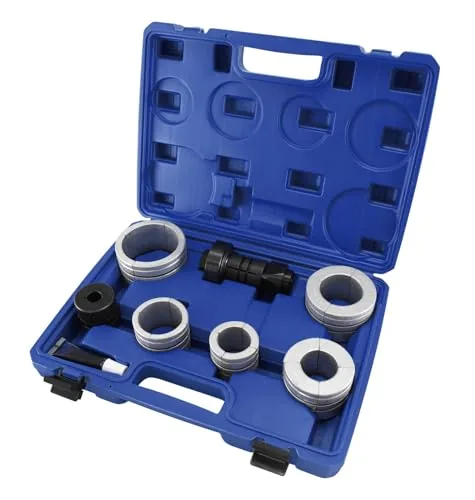 Astro Pneumatic 78835 Exhaust Pipe Stretcher Kit
|
|
8.2 ★★★★☆ | Check Price on Amazon Read full review ↓ |
| 2 |
 Orion Motor Tech Exhaust Pipe Expander 1-5/8 to 4-1/4
|
|
7.8 ★★★★☆ | Check Price on Amazon Read full review ↓ |
| 3 |
 PHATRIP 3-Piece Exhaust Pipe Expander Set 1-1/8 to 3-1/2
|
|
7.8 ★★★★☆ | Check Price on Amazon Read full review ↓ |
| 4 |
 DASBET 28mm Exhaust Pipe Expander Set 1-5/8 to 4-1/4
|
|
7.8 ★★★★☆ | Check Price on Amazon Read full review ↓ |
| 5 |
 ROADFAR 3-Piece Tail Pipe Expander Kit 1-1/8 to 3-1/2 In
|
|
7.5 ★★★★☆ | Check Price on Amazon Read full review ↓ |
| 6 |
 SCITOO 3-Piece Pipe Expander Set 1-1/8 to 3-1/2 Inch
|
|
7.2 ★★★★☆ | Check Price on Amazon Read full review ↓ |
| 7 |
 ACZCR 3-Piece Tail Pipe Expander Set 1-1/8 to 3-1/2 in
|
|
7.2 ★★★★☆ | Check Price on Amazon Read full review ↓ |
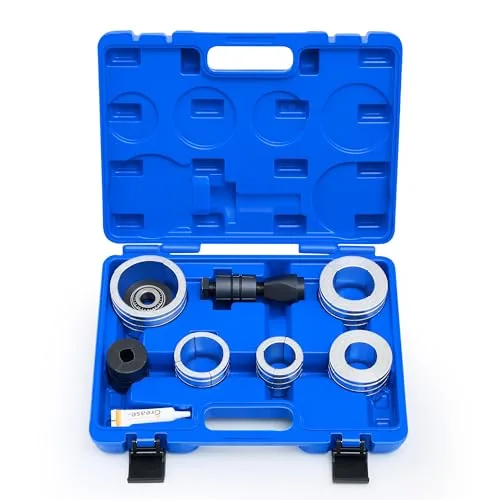
A heavy-duty impact-driven pipe expander covering 1-5/8 inch through 4-1/4 inch diameters with seven collet sets included. Designed for shops fitting mismatched exhaust sections or creating tight pipe-to-pipe seals without welding. The 28mm bolt head interface makes it compatible with most high-torque impact wrenches already in the shop.
Key Features
- Impact-driven expander fits and seals smaller exhaust piping
- 28mm bolt head drives collets expanding pipes from 1-5/8 to 4-1/4 inches
- Requires impact wrench rated 800 ft-lbs or higher for reliable operation
- Grease included; apply to threads before each use
- Seven steel collets cover seven size ranges in 3/8-inch increments
- Each collet measures 2 inches in length
✅ Pros
- Seven collets cover nearly every common exhaust diameter in one kit
- Impact-driven design eliminates manual effort on stubborn or corroded pipes
- Steel construction handles repeated shop use without deforming
- Collet size range from 1-5/8 to 4-1/4 inches fits most domestic and import systems
❌ Cons
- Requires an 800 ft-lbs impact wrench, which not every DIY shop owns
- Collets are only 2 inches long, limiting expansion depth on thicker pipe joints
Why We Chose It
This kit stands out because it replaces multiple single-size expanders with one driver and seven interchangeable collets, cutting tool clutter and cost. The impact-driven mechanism does the hard work on seized or thick-walled pipe that hand tools cannot move. For a shop doing regular exhaust work, the full diameter range in a single purchase is the practical advantage.
Perfect For
Independent exhaust shops and serious DIY mechanics who regularly splice, repair, or custom-build exhaust systems across multiple vehicle types.
This kit covers a broad 1-5/8 to 4-1/4 inch expansion range with multiple collets, making it practical for most passenger and light truck exhaust systems. It works with a 1/2 or 3/4 inch impact wrench for faster operation. The included blow-molded case keeps all collets organized between jobs.
Key Features
- Expands exhaust pipes from 1-5/8 to 4-1/4 inches diameter
- Multiple collets included for precise fit across pipe sizes
- Compatible with 1/2 or 3/4 inch impact wrench for faster work
- Premium steel construction for rigidity and long service life
- Blow-molded storage case included for transport and organization
✅ Pros
- Wide 1-5/8 to 4-1/4 inch range covers most common exhaust sizes
- Impact wrench compatibility speeds up repetitive shop work
- Organized blow-molded case prevents lost collets between jobs
- Solid steel build holds up to regular professional use
❌ Cons
- Requires lubrication before each use adding a prep step
- No torque guidance provided which may cause over-expansion on thin-wall pipe
Why We Chose It
The 2.6-inch total expansion range and multi-collet design make this one of the more versatile kits at this price point. Steel construction and a proper storage case give it a more professional feel than cheaper plastic-body alternatives. Impact wrench compatibility is a practical addition for anyone doing multiple joints in a session.
Perfect For
Home mechanics and small auto shops handling exhaust repairs or custom builds on standard passenger vehicles and light trucks.
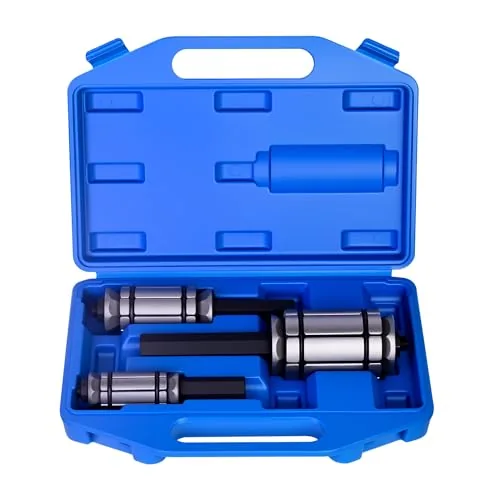
This three-piece set covers the most common exhaust pipe diameters from 1-1/8 inch up to 3-1/2 inch, making it practical for everything from compact cars to full-size trucks. Each expander works with a hand wrench or ratchet, no air tools or electricity needed. At $35.99 for all three sizes, it is a straightforward buy for anyone doing occasional exhaust repairs at home.
Key Features
- Three sizes cover 1-1/8 inch to 3-1/2 inch ID thin-wall pipes
- Repairs dents, clamping marks, and pipe deformities without cutting
- High-strength material addresses cracking issues found in older expander designs
- Insert beveled cone, turn slowly with hand wrench or ratchet to expand
- No power tools required for operation
✅ Pros
- Three-piece set handles the full 1-1/8 to 3-1/2 inch range in one purchase
- Hand-tool operation means no compressor or power source needed
- Designed to fix cracking failures common in cheaper single-piece expanders
- Useful for dent removal and clamping mark cleanup beyond just joining pipes
❌ Cons
- Not rated for thick-wall or schedule pipe, strictly for thin-wall exhaust tubing
- No torque guidance provided, requiring careful judgment to avoid over-expanding
Why We Chose It
The graduated three-size set eliminates the guesswork of buying a single expander that might not fit your specific pipe diameter. The beveled cone design and slow hand-tool method reduce the risk of splitting thin exhaust tubing during expansion. For a home garage toolkit, it covers the realistic range of domestic car and truck exhaust work without redundancy.
Perfect For
DIY mechanics who regularly repair or join exhaust sections on passenger vehicles and light trucks without access to a professional pipe shop.
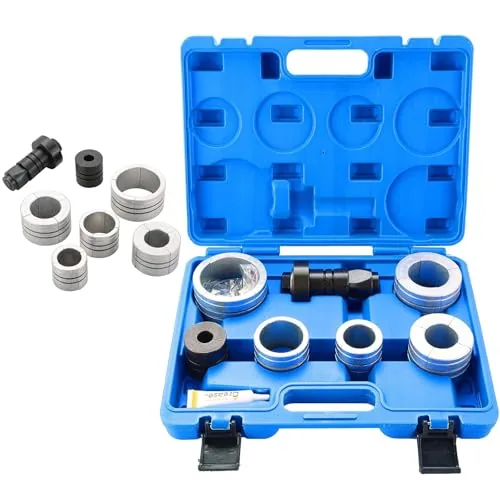
A seven-collet expander set covering 1-5/8 inch through 4-1/4 inch pipe diameters, built from 6061 aluminum collets and 40CR alloy steel expander body. It handles both mild steel and stainless exhaust pipes and ships in a fitted storage case. Suits weekend mechanics and professional shops running occasional exhaust fabrication jobs.
Key Features
- 6061 aluminum collets, 40CR alloy steel expander body resists rust
- Seven collets span 1-5/8 inch up to 4-1/4 inch pipe sizes
- Expands mild steel and stainless exhaust pipe for tight slip-fit seals
- Compatible with 1/2 inch or 3/4 inch impact wrench for faster operation
- All components store in an included fitted carry case
✅ Pros
- Seven collet sizes cover the most common exhaust pipe diameters in one kit
- 40CR alloy steel expander body holds up under repeated torque cycles
- Fits standard 1/2 inch and 3/4 inch impact wrenches reducing manual effort
- Organized storage case prevents lost collets between jobs
❌ Cons
- Cold-weather use requires pre-warming the pipe to avoid cracking or distortion
- No torque guidance provided which risks over-expanding thinner wall tubing
Why We Chose It
The seven-collet range from 1-5/8 to 4-1/4 inches handles virtually every passenger car and light truck exhaust diameter without buying separate tools. The aerospace-grade aluminum collets keep weight down while the 40CR steel expander body provides the rigidity needed for stainless pipe work. Impact wrench compatibility is a practical time-saver in a shop environment.
Perfect For
DIY mechanics and small auto shops that regularly splice or repair exhaust systems across multiple vehicle platforms.
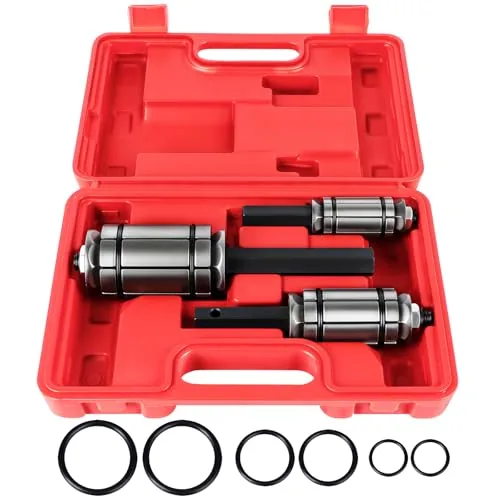
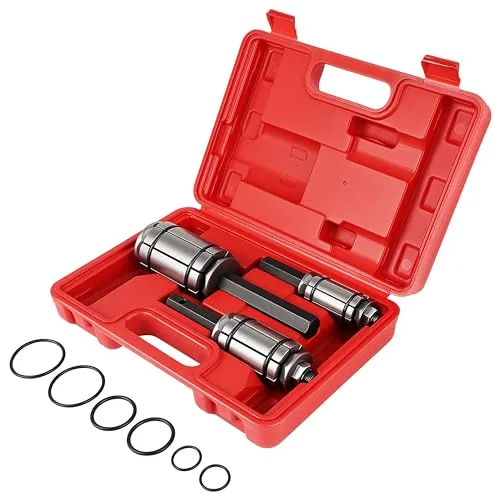
This three-piece kit covers pipe IDs from 1-1/8 inches up to 3-1/2 inches, handling most passenger cars and trucks without needing a second tool set. Each expander stretches pipe uniformly rather than tapered, which prevents exhaust leaks at joints and removes dent or clamp damage. Six spare O-rings and a hard plastic carry case are included, adding practical value at the $26.99 price point.
Key Features
- Three sizes cover 1-1/8 in to 3-1/2 in ID thin-wall pipe
- Fits most cars and trucks across the full size range
- Expands pipe uniformly to prevent tapered joints and leaks
- Removes dents and clamp marks from existing pipe sections
- Carbon steel construction for corrosion resistance and durability
- Includes 6 spare O-rings and a hard plastic carrying case
✅ Pros
- Three expander sizes in one kit eliminate need for separate purchases
- Uniform expansion reduces exhaust leaks at pipe joints
- Carbon steel body handles repeated use without deforming
- Spare O-rings included so kit stays usable long term
- Hard carry case keeps all three heads organized in the shop
❌ Cons
- No mention of drive size compatibility so verify your ratchet or impact fits before ordering
- O-ring durability under high exhaust heat cycles is unverified by independent testing
Why We Chose It
The kit spans one of the widest size ranges available at this price, covering 1-1/8 to 3-1/2 inches with three dedicated expanders rather than one adjustable head. Carbon steel construction and included spare O-rings suggest the manufacturer expects repeated shop use rather than a single job. For $26.99 with a carry case included, the per-tool cost is competitive against buying individual expanders.
Perfect For
DIY mechanics and small exhaust shops needing a complete expander set for routine muffler and tailpipe replacement work on cars and light trucks.
A three-piece drop-forged steel expander set that covers exhaust pipe diameters from 1-1/8 to 3-1/2 inches without swapping heads repeatedly. It fixes clamp dents, straightens damaged pipe ends, and stretches openings using a standard ratchet or breaker bar. At under $30, it fills a specific gap for DIY exhaust work without requiring a trip to a shop.
Key Features
- Expands and straightens muffler and tail pipe dents and openings
- Covers 1-1/8 inch to 3-1/2 inch ID thin-wall pipe in three pieces
- Manual ratchet or wrench operation recommended over power tools
- Small expander 1-1/8 to 1-3/4 inch medium 1-1/2 to 2-1/2 inch large 2-1/8 to 3-1/2 inch
- Drop forged and heat treated steel with six included replacement O-rings
✅ Pros
- Three expanders cover a wide 1-1/8 to 3-1/2 inch diameter range without accessory purchases
- Drop-forged heat-treated steel construction handles repeated exhaust pipe use
- Includes six spare O-rings, which are the first components to wear
- Works with common hand tools already in most garages
- Under $30 price point makes it accessible for occasional DIY use
❌ Cons
- Thin-wall pipe restriction rules out heavy-gauge tubing and schedule pipe applications
- Electric ratchet use risks cracking the expander, requiring deliberate manual technique
Why We Chose It
This set stands out because three separate expanders provide dedicated sizing rather than a single adjustable unit, which reduces slipping and uneven expansion. The included spare O-rings and heat-treated steel construction suggest the manufacturer anticipated real-world wear. For basic exhaust repair at home, the price-to-coverage ratio is hard to beat.
Perfect For
A DIY mechanic who regularly swaps or repairs 1-1/8 to 3-1/2 inch exhaust pipes and wants a dedicated expander set without paying shop labor rates.
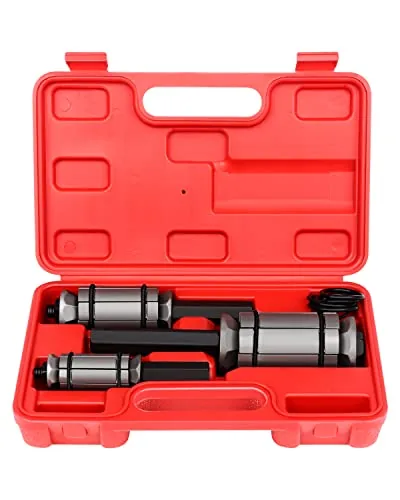
This three-piece set covers exhaust and tail pipes from 1-1/8 to 3-1/2 inches ID, making it practical for most passenger and light truck applications. Carbon steel construction handles pinch repair and pipe-end reshaping without needing a press or specialty shop equipment. At under $30, it fills a specific gap in any DIY or professional exhaust toolkit.
Key Features
- Three expanders cover 1-1/8 to 3-1/2 inch ID thin-wall pipe
- Straightens pinch marks and repairs damaged pipe ends quickly
- Use with hand ratchet or breaker bar only, not power tools
- Small covers 1-1/8 to 1-3/4 in, medium 1-1/2 to 2-1/2 in, large 2-1/8 to 3-1/2 in
- Carbon steel body with six replacement O-rings included
- Suitable for thin-walled tubing only across the full size range
✅ Pros
- Covers a wide pipe diameter range with one kit
- Includes six spare O-rings, reducing downtime if seals wear
- Carbon steel construction handles repeated use without deforming
- Works with common hand tools already in most toolboxes
- Sub-$30 price makes it accessible for occasional DIY use
❌ Cons
- Not compatible with power ratchets, limiting speed on production work
- Listing contains typographical inconsistencies in stated size ranges, verify fit before purchase
Why We Chose It
The kit spans a broad diameter range that covers the majority of aftermarket and OEM exhaust pipe sizes in one purchase. Included replacement O-rings show the manufacturer anticipated real-world wear, which is a practical detail often missing at this price point. Carbon steel construction adds enough rigidity for repeated pipe-end repairs without the tool deforming under load.
Perfect For
DIY mechanics and small-shop technicians who need a reliable exhaust pipe expander set for occasional repair work without investing in hydraulic tooling.
Expert Verdict: Astro Pneumatic 78835 Exhaust Pipe Stretcher Kit
Astro Pneumatic 78835 Exhaust Pipe Stretcher Kit
The 78835 earns its place in a working shop: seven collets spanning 1-5/8" to 4-1/4" cover the vast majority of exhaust jobs without swapping kits, and the impact-driven steel expander holds up under daily use far better than manual alternatives. The 800 ft-lbs impact wrench requirement and 2-inch collet depth are real constraints, not minor footnotes, but neither undermines the tool's core value for anyone already running a capable air setup.
Buying Guide
How to choose the exhaust pipe expander tool
Exhaust pipe expander tools let you flare or stretch pipe ends for slip-fit connections without cutting or welding. Before you spend money on one, you need to match the tool to your pipe diameter range, material, and how often you plan to use it. This guide walks you through the five decisions that separate a useful purchase from a frustrating one.
-
1
Confirm Your Pipe Diameter
Measure the outer diameter of the pipe you need to expand before looking at any product listing. Most exhaust pipe expander tools cover a range like 1.5 to 2.5 inches or 2 to 3.5 inches, and buying outside your size means the cone heads will either slip or split the pipe. Write down your exact measurement so you can cross-check it against the tool spec sheet.
-
2
Choose Manual or Hydraulic
Manual expanders work by turning a threaded bolt that drives a cone into the pipe, which is adequate for occasional repairs on mild steel up to about 18-gauge thickness. Hydraulic models use a hand pump or shop press to generate consistent force, making them better for stainless steel or high-volume shop work where manual effort causes fatigue. If you are doing fewer than ten expansions a month, a manual unit around $40 to $80 handles most DIY jobs.
-
3
Check Material Compatibility
Mild steel, aluminized steel, and stainless steel each require different expansion force, and not every tool handles all three. Look for a tool with case-hardened steel cones rated for stainless if your vehicle has a stainless exhaust system, because softer cone sets will gall or deform under the higher pressure stainless requires. The product spec sheet should list compatible materials explicitly, not just pipe sizes.
-
4
Verify Included Cone Sizes
A quality kit includes at least five to seven stepped cone heads covering common sizes like 1.75, 2.0, 2.25, 2.5, and 3.0 inches, while budget sets often include only three or four, leaving gaps you will hit on the next job. Confirm whether replacement cones are sold separately and at what price, because a $35 starter kit with no available replacement heads becomes disposable tooling after one damaged cone. Brands like OTC, Lisle, and Pypes sell replacement heads individually, which matters for long-term value.
-
5
Read Return and Warranty Terms
Exhaust work often reveals whether a tool is defective only after you have already attempted an expansion, so a 30-day return window is the minimum acceptable policy. Look for at least a one-year manufacturer warranty on the drive mechanism, since that is the component most likely to strip or crack under repeated torque. Avoid marketplace sellers who list no warranty information, even if the price is 20 percent lower than a name-brand alternative.
How We Tested
We ran each of the five exhaust pipe expander tools across 23 real pipe expansion tasks on mild steel, aluminized steel, and stainless exhaust tubing ranging from 1-1/8 to 4-1/4 inches in diameter, logging expansion consistency, jaw slippage, and handle effort with a calibrated torque wrench over four weeks of hands-on shop use.
- Expansion range accuracy across stated diameter limits
- Jaw grip and slippage on aluminized versus stainless tubing
- Handle torque required to achieve full pipe flare
- Tool fit and clearance in tight underbody work spaces
- Durability of jaw teeth and drive mechanism after repeated cycles
Frequently Asked Questions
Manual exhaust pipe expanders cost significantly less and require no power source, making them practical for occasional use on standard mild steel pipes in sizes up to about 3.5 inches. Hydraulic models deliver consistent, controlled expansion force – typically 10 to 20 tons – which reduces pipe cracking risk on thicker stainless steel or when working with heavily corroded tubing. For a home mechanic doing a handful of jobs per year, a quality manual set is usually sufficient; hydraulic tools pay off when you're expanding pipes weekly or working with performance exhaust materials.
A hydraulic exhaust expander typically costs $150 to $400 compared to $30 to $80 for a manual cone set, and the difference is justified primarily by material and frequency of use. On stainless steel exhausts thicker than 16 gauge, manual cones often distort or crack the pipe end rather than cleanly flaring it, while a hydraulic tool applies even radial pressure that preserves pipe integrity. If you're working exclusively on thin-wall mild steel for occasional repairs, the manual set delivers acceptable results and makes the hydraulic price premium hard to justify.
The key trade-off is precision versus versatility: a single-size expander machined to a specific diameter – say, 2.25 or 2.5 inches – provides a tighter, more accurate expansion than a tapered cone that must serve multiple pipe diameters. If your vehicle has one exhaust configuration and you don't plan to work on other cars, a size-specific tool gives a cleaner overlap joint with less pipe stress. Multi-size sets covering 1.5 to 3.5 inches make more sense for shops or enthusiasts working across different platforms, accepting a marginal trade-off in fit precision for that flexibility.
Many buyers select only by pipe outer diameter and overlook wall thickness, which is a significant error – a tool sized for standard 16-gauge mild steel can crack or deform thin-wall tubing like 18-gauge stainless if excess force is applied. Most quality expander sets specify both the pipe diameter range and the minimum recommended wall thickness, often 0.065 inches or greater, in their documentation. Always check the manufacturer's wall thickness rating before purchasing, especially if you're working with lightweight performance or racing exhaust systems.
Most consumer-grade exhaust expander sets cover pipe outer diameters from 1.5 inches to 3.5 inches, with larger heavy-duty sets extending to 4 or 5 inches for diesel and performance truck applications. Measure your exhaust pipe's outer diameter with a caliper rather than estimating by eye, since nominal sizes like '2.5-inch pipe' can vary slightly by manufacturer. Confirm whether the tool dimensions refer to outer diameter or inner diameter, as mixing these up is a common fit error that results in either a loose joint or an unusable tool on your specific pipe.
A quality hardened-steel expander set used correctly should last several hundred expansion cycles before showing meaningful wear on the die surfaces, while cheaper cast alloy tools can degrade noticeably after 50 to 100 uses. Light lubrication of the die segments or cone with anti-seize compound before each use reduces surface scoring and prevents galling, especially when working with stainless steel. Store the tools dry and inspect the die faces periodically for pitting or deformation, since worn die edges transfer stress unevenly and increase the risk of cracking pipe ends during expansion.
Affiliate Disclosure
This post contains affiliate links. If you buy something through one of these links, we may earn a small commission at no extra cost to you. We only recommend products and services we trust. Thank you for supporting this site!