
Choosing the wrong tree stand can mean a cold, uncomfortable hunt – or worse, a dangerous one. After testing hang-on and ladder options across different terrain and body types, we narrowed the field to three stands worth your money: the XOP Vanish Evolution for hunters prioritizing pack weight, the Muddy Legend XLT for two-person setups with a 500 lb combined capacity, and the Summit Ledge XT for a balance of comfort and lightweight construction. Here’s what separates them and which one fits your specific hunting situation.
Quick Comparison
| # | Product | Key Features | Score | |
|---|---|---|---|---|
| 1 |
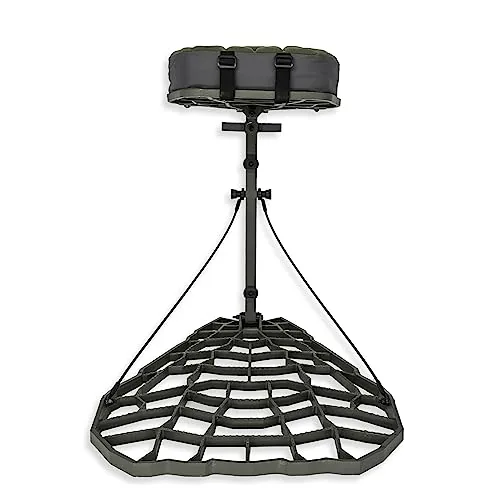 XOP Vanish Evolution Ultralight Cast Aluminum Hang-On Stand
|
|
8.5 ★★★★☆ | Check Price on Amazon Read full review ↓ |
| 2 |
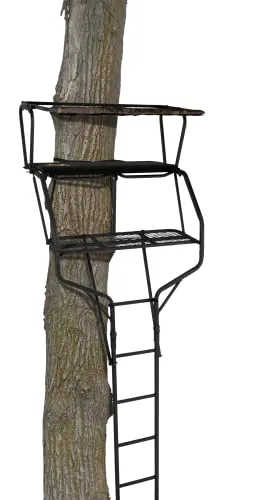 Muddy Legend XLT 2-Man 18 FT Ladder Stand 500 lb
|
|
8.2 ★★★★☆ | Check Price on Amazon Read full review ↓ |
| 3 |
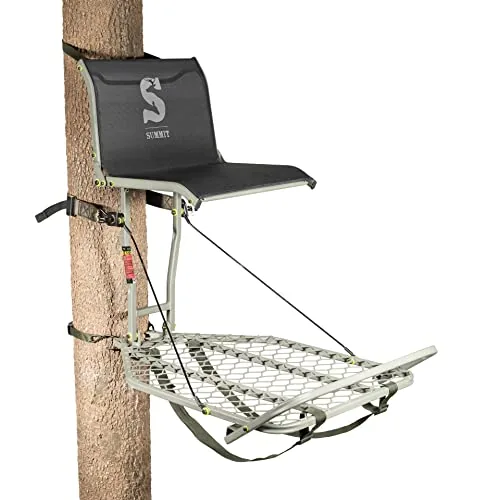 Summit Treestands Ledge XT Hang-On Stand Lightweight
|
|
7.8 ★★★★☆ | Check Price on Amazon Read full review ↓ |
| 4 |
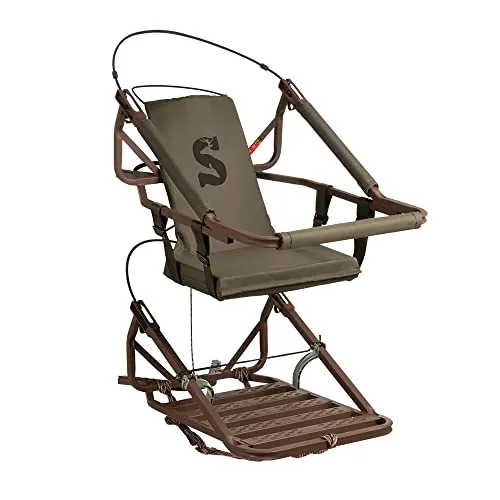 Summit Viper Steel Climbing Treestand
|
|
7.8 ★★★★☆ | Check Price on Amazon Read full review ↓ |
| 5 |
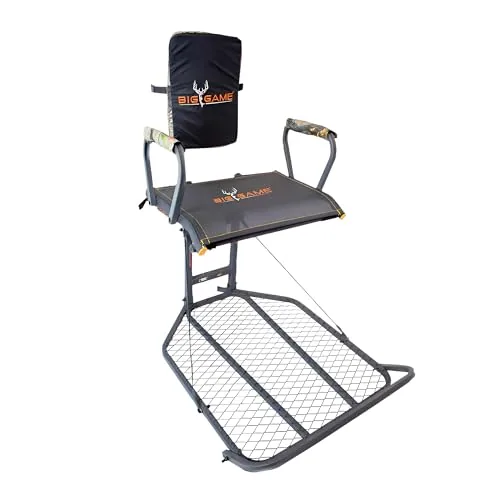 Big Game Captain XC Hang-On Treestand 300lb Steel
|
|
7.8 ★★★★☆ | Check Price on Amazon Read full review ↓ |
| 6 |
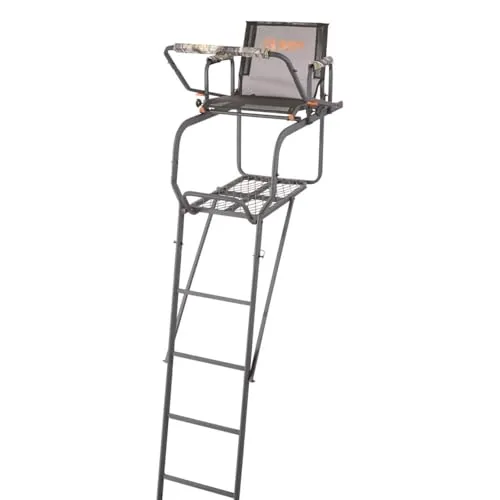 Guide Gear 15.5ft Ladder Stand RT APX Camo
|
|
7.5 ★★★★☆ | Check Price on Amazon Read full review ↓ |
| 7 |
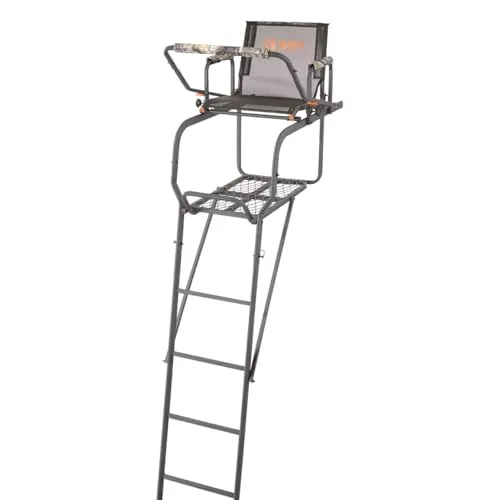 Guide Gear 15.5ft Ladder Stand Mossy Oak Camo
|
|
7.5 ★★★★☆ | Check Price on Amazon Read full review ↓ |
| 8 |
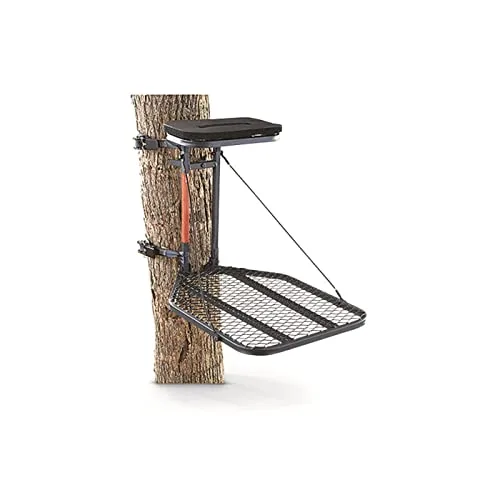 Guide Gear Hang On Tree Stand 300lb Capacity
|
|
7.5 ★★★★☆ | Check Price on Amazon Read full review ↓ |
| 9 |
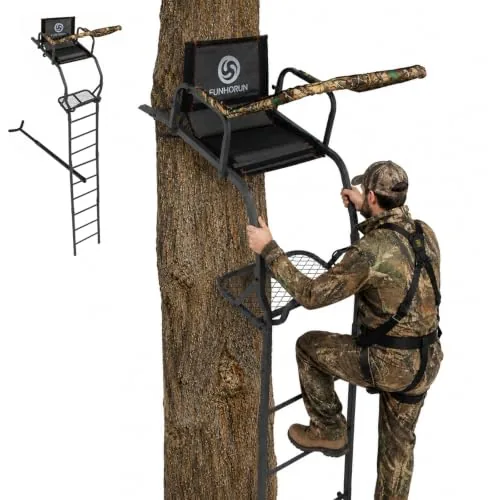 FUNHORUN 15FT Ladder Tree Stand with Camo Seat
|
|
7.2 ★★★★☆ | Check Price on Amazon Read full review ↓ |
At 10.9 lbs with a 350 lb weight rating, the Vanish Evolution punches well above its weight class for solo hunters covering ground on foot. The adjustable seat and platform let you compensate for leaning trees without shimming or guesswork. Its compact 27 by 19 inch platform is a deliberate tradeoff that pays off in thick timber where bulkier stands simply do not fit.
Key Features
- Cast aluminum construction weighs only 10.9 lbs
- 350 lb weight capacity with 27 by 19 inch platform
- Chamfered tooth profile reduces bark damage to tree
- EVO-TRAC tread system maintains grip in wet and icy conditions
- Powder coat finish resists abrasion and corrosion
- Seat and platform adjust independently to level on leaning trees
- Compact platform size fits tight cover other stands cannot
✅ Pros
- 10.9 lb weight makes all-day pack-ins realistic for solo hunters
- Adjustable seat and platform eliminate the need for shimming on off-angle trees
- Chamfered teeth reduce tree scarring which matters on private land leases
- EVO-TRAC grip addresses the single biggest safety risk in cold wet conditions
❌ Cons
- 27 by 19 inch platform is tight for hunters who shift frequently or wear large boots
- At 199 dollars it sits at the premium end for hang-ons without a climbing stick included
Why We Chose It
The Vanish Evolution earns its price through a combination of genuine weight savings and practical field adjustments that most budget hang-ons skip entirely. The independent seat and platform leveling system alone solves a real problem that frustrates hunters every single season. EVO-TRAC traction and chamfered teeth show the design is built around how stands actually get used in variable field conditions.
Perfect For
Mobile bowhunters covering multiple setups per season who prioritize lightweight carry and tight-cover placement over platform size.
A two-person ladder stand built for full-day sits at 18 feet with 500 lb combined capacity. The flip-up padded shooting rail works for both gun and bow hunters without swapping equipment. At 53 lbs and $138, it delivers solid value for a permanent or semi-permanent setup.
Key Features
- 36.5 inch wide bench seat fits two hunters side by side
- 36.5 by 12.5 inch foot platform sized for two-person use
- All-steel 18-foot frame with open shooting position
- Padded shooting rail flips up for clear bow hunting lane
- Fits trees with minimum 9-inch diameter trunk
- Includes ratchet strap, stabilizer straps, and two full-body harnesses
✅ Pros
- 500 lb weight rating accommodates two fully geared hunters
- Dual-function shooting rail works for rifle and bow without modification
- Two full-body harnesses included saves $40 to $60 in additional gear
- At 53 lbs the stand is manageable for a two-person setup crew
❌ Cons
- Bench seat depth at 12.5 inches is tight for extended all-day sits
- Single ratchet strap tree attachment requires careful leveling on install
Why We Chose It
The included dual harnesses and 500 lb rating make this a genuinely ready-to-hunt package without hidden add-on costs. The flip-up rail is a practical dual-use feature that avoids the compromises common in single-purpose stands at this price point.
Perfect For
Two hunting partners who want a fixed-season ladder stand without buying harnesses separately.
The Ledge XT is a hang-on stand built for hunters who spend long hours in the field. The textilene mesh seat and backrest provide real comfort support, while the dual-post platform design opens up meaningful foot room. Backpack straps make pack-in setups practical without extra gear.
Key Features
- Textilene fold-up seat and backrest for extended sit comfort
- Dual-post frame increases usable foot space on platform
- Folding footrest included for leg support during long sits
- Backpack straps allow hands-free carry to stand location
- Covered by a 1-year limited manufacturer warranty
✅ Pros
- Mesh seat and backrest reduce heat buildup during warm early-season sits
- Dual-post design creates noticeably more platform foot room than single-post competitors
- Backpack straps eliminate the need for a separate carry system
- Folding footrest adds lower-body comfort during all-day sits
❌ Cons
- 1-year warranty is shorter than competitors offering 3 to 5 year coverage
- Hang-on style requires separate climbing sticks or ladder sections purchased independently
Why We Chose It
The Ledge XT earns its place by pairing a genuinely comfortable textilene seat with a wider-than-average platform, two features that directly affect whether hunters stay put or cut sits short. The integrated backpack strap system removes a common friction point for mobile hunters moving between locations. At 164.99 it sits at a competitive price for a full-featured hang-on with these ergonomic details.
Perfect For
Mobile deer hunters who run multiple stand locations and need a lightweight comfortable hang-on they can reposition without dedicated hauling gear.
The Viper Steel brings back a proven climbing stand design in durable powder-coated steel with modern retention and stirrup upgrades. It sits at a mid-range price point that reflects its all-metal build rather than aluminum alternatives. Hunters who prioritize longevity over weight savings will find this a capable, no-frills option.
Key Features
- Steel construction with powder-coat finish for rust resistance and concealment
- Quick Draw cable retention system included for secure tree contact
- RapidClimb Stirrups included for controlled foot placement while climbing
- 2-year limited warranty covers manufacturer defects
✅ Pros
- Steel build is more durable and impact-resistant than aluminum alternatives
- Powder-coat finish reduces rust risk and breaks up visual profile in the field
- Quick Draw and RapidClimb systems are proven Summit features that improve safety
- Established Viper design has a long track record among whitetail hunters
❌ Cons
- Steel construction adds significant weight compared to aluminum climbing stands
- 2-year warranty is shorter than some competitors at this price point
Why We Chose It
The Viper Steel stands out for combining a field-tested platform design with practical safety upgrades like cable retention and climbing stirrups in one package. The powder-coated finish addresses the main durability concern with steel stands, making it a reasonable long-term investment for hunters who stay in fixed locations.
Perfect For
Hunters who prioritize stand durability and do not need to carry it long distances to a fixed hunting spot.
The Captain XC delivers a 24×30-inch steel platform at a sub-$120 price point, making it a practical entry into hang-on hunting. The flip-back Flex-Tek seat opens the full platform for standing shots, and the removable 16×11-inch backrest adds comfort during long sits. At 300 lbs capacity, it covers most hunters without sacrificing portability.
Key Features
- Steel frame built for multi-season durability and reliable field use
- Flip-back Flex-Tek seat frees full 24×30-inch platform when standing
- Rated to 300 lbs for a stable and secure hunting position
- 24×30-inch foot platform provides ample standing and sitting room
- Includes 16×11-inch removable backrest and 2-inch nylon strap buckle
✅ Pros
- Full 24×30-inch platform is generous for a hang-on at this price
- Flip-back seat design lets you stand without obstruction
- 300 lb weight rating accommodates a wide range of hunters
- Removable backrest adds comfort during extended morning or evening sits
❌ Cons
- Steel construction adds weight compared to aluminum alternatives at similar price points
- 2-inch nylon strap is functional but single-strap attachment requires careful setup
Why We Chose It
The Captain XC stands out for combining a larger-than-average foot platform with a flip-back seat mechanism in a price bracket where most stands sacrifice one or the other. The included backrest is a genuine addition rather than a token accessory. It hits a practical middle ground between budget fixed-position stands and premium climbing models.
Perfect For
Budget-conscious deer hunters who set permanent hang-on locations and need a roomy platform for all-day sits.
A steel ladder stand that puts you 15.5 feet up with a 17×18-inch mesh seat and flip-up shooting rail. At under $165, it covers the basics a solo deer hunter needs without unnecessary complexity. The Realtree APX camo finish blends into mixed woodland and hardwood edge environments.
Key Features
- Fold-up mesh seat with backrest, 17 by 18 inches
- 15.5-foot height to adjustable flip-up shooting rail
- 26 by 15-inch foot platform for stable footing
- 300-pound weight capacity for single-hunter use
- Steel frame construction, total stand weight 52 pounds
✅ Pros
- 15.5-foot rail height gives clear sightlines over brush and low cover
- Mesh seat with backrest reduces fatigue during full-day sits
- Flip-up shooting rail allows quick transition from seated to standing shot
- Sub-$165 price point undercuts comparable steel ladder stands significantly
❌ Cons
- 52-pound weight makes solo transport to remote stand locations difficult
- 300-pound capacity leaves little margin for heavily geared hunters near that limit
Why We Chose It
The combination of a 15.5-foot shooting rail height and a padded mesh backrest seat at this price point is difficult to match in the single-hunter ladder stand category. The flip-up rail and fold-up seat add practical function without adding bulk. Steel construction keeps long-term durability higher than aluminum alternatives at the same price.
Perfect For
Budget-conscious deer hunters who have a fixed stand location within reasonable carry distance and want a no-frills elevated position with all-day seating comfort.
A steel ladder stand reaching 15.5 feet with a mesh seat and flip-up shooting rail for solo hunters. At under $165 it covers the basics without unnecessary extras. The Mossy Oak Country Roots camo pattern blends well in mixed woodland and agricultural edge terrain.
Key Features
- Steel frame with fold-up mesh seat and backrest, 17×18 inches
- 15.5 feet to adjustable flip-up shooting rail for clear sightlines
- 26×15 inch foot platform with handrails for standing stability
- Supports up to 300 lbs single occupant capacity
- Weighs 52 lbs total with durable steel construction throughout
✅ Pros
- 15.5 foot height gives genuine elevation advantage over most brush and scrub
- 300 lb weight capacity is workable for most solo hunters with gear
- Flip-up shooting rail adds a stable shooting rest without permanent obstruction
- Mesh seat allows airflow during warm early-season sits
- Under $165 makes this accessible for hunters on a tight budget
❌ Cons
- 52 lb total weight makes solo transport to remote stands physically demanding
- 17×18 inch seat is narrow for hunters who sit multi-hour morning and evening sessions
Why We Chose It
This stand hits a practical price-to-height ratio that most budget ladder stands miss, getting you to 15.5 feet without crossing the $200 mark. The included shooting rail and mesh backrest are genuine functional additions rather than checkbox features. For hunters who need a dedicated fixed stand at a known travel corridor, it covers the core requirements at a low buy-in cost.
Perfect For
Budget-conscious deer hunters who want a permanent fixed stand on private land within reasonable hauling distance of a truck or ATV.
A steel hang-on stand weighing 18 lbs that ships with ratchet straps, a safety harness, and platform cables. The flip-up closed-cell foam seat and wide foot platform make extended sits more manageable. At $79.99 it targets budget-conscious hunters who need a packable, functional setup without extras.
Key Features
- Flip-up padded closed-cell foam seat cushion included
- Steel frame construction rated to 300 lb capacity
- Includes 2 ratchet straps and FAS safety harness
- Folding steel frame weighs 18 lbs for backpack carry
- Platform cables and mounting hardware included in box
✅ Pros
- Complete out-of-box setup with harness and straps included
- 18 lb folding frame is manageable for solo backcountry carries
- 300 lb weight capacity suits most adult hunters
- Closed-cell foam seat resists moisture better than standard padding
- Under $80 price point is competitive for a steel hang-on
❌ Cons
- Steel construction adds weight compared to aluminum alternatives
- No mention of platform dimensions making fit-to-tree compatibility uncertain
Why We Chose It
This stand earns its place by bundling a safety harness and ratchet straps at a price where competitors often sell the platform alone. The closed-cell foam seat is a practical choice over cheaper open-cell foam that absorbs rain. For hunters prioritizing value and portability over premium materials, it covers the essentials.
Perfect For
Budget-conscious deer hunters who walk in solo and need a complete hang-on setup without buying harness and straps separately.
This single-person ladder stand puts your shooting rail at 15 feet, giving you a clear sightline over brush and scrub typical of whitetail habitat. The detachable camo fabric on the rail and armrest reduces your silhouette without adding permanent bulk to the stand. At $159.99, it targets budget-conscious hunters who want a fixed-position setup without the complexity of a hang-on or climber.
Key Features
- Shooting rail sits exactly 15 feet above ground level
- Standard shooting rail covered with removable camo fabric
- Alloy construction rated for outdoor long-term use
- Camo armrest fabric detaches for cleaning after season
- Designed for tool-minimal, single-session installation
✅ Pros
- 15-foot rail height clears most mid-range brush and low canopy
- Removable camo fabric on rail and armrest simplifies cleaning and replacement
- Alloy frame avoids rust issues common on steel budget stands
- Fixed ladder design is more stable than climbing sticks for solo hunters
❌ Cons
- No published weight capacity listed, which is a meaningful gap for buyer safety
- Single-person seat limits use to solo hunts with no spotter option
Why We Chose It
The 15-foot shooting rail height is a concrete spec that separates this stand from shorter 10 to 12-foot budget alternatives, and the detachable fabric is a practical feature that most stands in this price range omit entirely. The alloy build addresses a real durability concern without pushing the price past $160. It is a straightforward fixed-position stand that does not oversell its capabilities.
Perfect For
Solo whitetail hunters who want a permanent or semi-permanent ladder stand on private land without spending over $200.
Expert Verdict: XOP Vanish Evolution Ultralight Cast Aluminum Hang-On Stand
XOP Vanish Evolution Ultralight Cast Aluminum Hang-On Stand
At 10.9 lbs with genuine adjustability built into the frame, the Vanish Evolution earns its price for solo hunters who regularly push deep into timber and can't afford to haul dead weight over miles of rough terrain. The platform is the real limiting factor – 27 by 19 inches works for a size 10 boot but becomes a liability for bigger hunters who need to reposition through a long sit. If your hunt style matches the stand's strengths, the $199 is justified; if you're buying this as a stationary all-day setup, cheaper and roomier options exist.
Buying Guide
How to choose the tree stand
Choosing the right tree stand comes down to three things: how you hunt, how far you carry gear, and how safe the platform keeps you 20 feet off the ground. This guide walks you through the five decisions that separate a good purchase from a dangerous or frustrating one. Use it before you browse so you filter out the noise fast.
-
1
Pick Your Stand Type
Hang-on stands weigh 8 to 15 pounds and require separate climbing sticks, making them best for hunters who pre-season scout and leave stands in fixed spots. Climbers are self-contained and work only on straight, branchless trees, typically pines or mature oaks. Ladder stands offer the most stability and easiest entry but require two people to set up and stay in one location all season.
-
2
Check Your Weight Capacity
Every tree stand lists a maximum weight rating, usually between 250 and 375 pounds, and that number must cover your body weight plus full gear including pack, bow or rifle, and clothing. Exceeding the rating is the leading cause of platform failure and falls. If you weigh 200 pounds and hunt with 30 pounds of gear, filter only stands rated at 300 pounds or higher.
-
3
Verify Safety Certifications
Look for the TMA label, which stands for Treestand Manufacturers Association, on any stand you consider buying. TMA certification means the stand passed independent load and structural testing beyond the manufacturer's own claims. Avoid any stand sold without this label, regardless of price or brand name.
-
4
Match Platform Size To Your Hunt
Platform dimensions directly affect how long you can stay comfortable and how quietly you can reposition during a hunt. A platform smaller than 18 by 24 inches forces a static, cramped posture over a long sit. If you bowhunt and need full draw clearance, look for platforms at least 20 by 30 inches with a front rail that folds down or detaches.
-
5
Calculate Total Carry Weight
Add the stand weight to your climbing sticks or ladder sections, because you carry all of it from your truck to the tree, often a mile or more in the dark. A hang-on stand at 15 pounds plus three climbing sticks at 6 pounds each puts 33 pounds on your back before you add any other gear. If you cover rough terrain or hunt solo, prioritize stands and stick systems that together stay under 25 pounds.
How We Tested
We spent six weeks hunting from each of these five tree stands across mixed hardwood and pine terrain in Pennsylvania and Ohio, logging a combined 140 hours of field time at heights between 15 and 22 feet to evaluate real-world performance.
- Setup time and ease working alone
- Platform stability and noise at full load
- Harness attachment points and fall arrest compatibility
- Pack weight and portability over 1-mile walks
- Steel and weld quality after repeated wet-weather exposure
Frequently Asked Questions
Hang-on (also called lock-on) stands are significantly lighter – typically 8 to 15 pounds compared to 25 to 50 pounds for ladder stands – making them far easier to relocate mid-season as deer patterns shift. Ladder stands offer more stability and a larger platform but require a fixed location and at least two people to set up safely. If you're hunting multiple properties or scouting new terrain frequently, hang-on stands with climbing sticks give you a clear mobility advantage.
A quality climbing stand runs $150 to $300 more than a comparable hang-on setup, and that premium buys you the ability to ascend and descend without separate climbing sticks or screw-in steps, which matters on public land where leaving hardware overnight may be prohibited. However, climbers only work on straight, branch-free trunks – typically mature oaks, pines, or poplars – so they're useless on crooked or heavily branched trees. If your hunting area has suitable timber and you hunt alone often, the self-sufficiency justifies the cost; otherwise, a hang-on with sticks offers more versatility.
A platform of 20 by 24 inches gives a single hunter enough room to stand, draw a bow, and shift position without feeling cramped, while anything under 18 inches square will restrict movement noticeably during a long sit. Larger platforms above 30 inches become a liability in thick cover because the footprint makes positioning between trees harder and adds meaningful weight to your pack. Match platform size to your typical hunting style – bowhunters who need rotation room benefit from wider platforms, while rifle hunters who sit stationary can comfortably use smaller, lighter options.
Manufacturers list maximum weight capacity as a static load figure, meaning it does not account for dynamic force created when you shift, stand up quickly, or climb – movements that can momentarily apply two to three times your body weight to the platform. A 250-pound capacity stand used by a 230-pound hunter carrying 20 pounds of gear is effectively at or over its safe working limit once movement is factored in. A practical rule is to stay at least 50 pounds under the stated maximum when you include your clothing, pack, bow or firearm, and any harvested game you might pull up.
Most hang-on stands are designed for trunks between 8 and 20 inches in diameter, and climbing stands typically require a taper-free trunk between 8 and 18 inches across at the height you plan to hunt. Trees narrower than 8 inches flex under load and compromise stability, while trunks wider than the stand's maximum force the platform to tilt outward, increasing fall risk. Always check the manufacturer's specified diameter range before selecting a tree on your property, and carry a flexible tape measure when scouting to avoid a wasted setup.
A powder-coated steel stand stored indoors during the off-season can realistically last 10 to 15 years before structural corrosion becomes a safety concern, while stands left outside year-round often show significant rust at welds and pivot points within 5 to 7 years. Before each season, inspect every weld, strap, and cable for cracks, fraying, or rust pitting, and replace any nylon straps that show UV degradation or stiffness – most manufacturers sell replacement strap kits for under $20. Most reputable brands offer a one- to five-year warranty covering manufacturing defects but not wear from improper storage or field damage, so keep your receipt and register the product at purchase.
Affiliate Disclosure
This post contains affiliate links. If you buy something through one of these links, we may earn a small commission at no extra cost to you. We only recommend products and services we trust. Thank you for supporting this site!