
Choosing the right folding saw for bushcraft comes down to three things: blade length, tooth geometry, and whether the saw locks open securely enough to trust when you’re cutting through a 4-inch green limb. After testing the Bahco Laplander with its 7.5-inch XT blade, the REXBETI 14-inch SK-5 steel pruning saw, and the Agawa Canyon Boreal21 with its full 21-inch blade, we have a clear picture of which saw fits which type of camp and which type of user. Whether you’re day-hiking light or running a base camp that needs serious wood processing, one of these three will cover your situation.
Quick Comparison
| # | Product | Key Features | Score | |
|---|---|---|---|---|
| 1 |
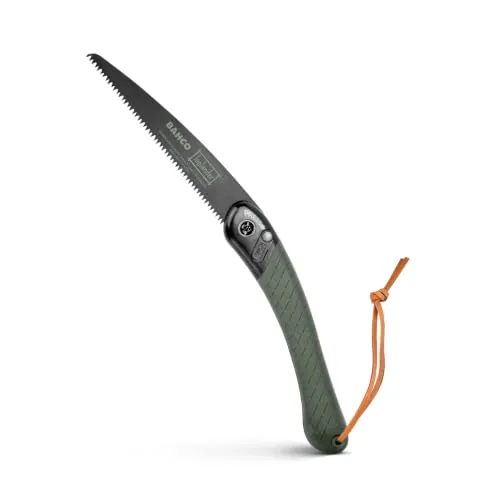 Bahco Laplander 7.5-inch Folding Saw with XT Blade
|
|
8.7 ★★★★☆ | Check Price on Amazon Read full review ↓ |
| 2 | REXBETI 14-Inch Folding Pruning Saw SK-5 Steel Blade |
|
8.2 ★★★★☆ | Check Price on Amazon Read full review ↓ |
| 3 |
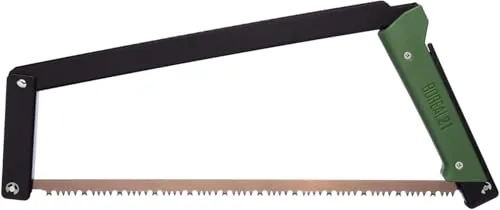 Agawa Canyon Boreal21 21-Inch Folding Saw
|
|
8.2 ★★★★☆ | Check Price on Amazon Read full review ↓ |
| 4 |
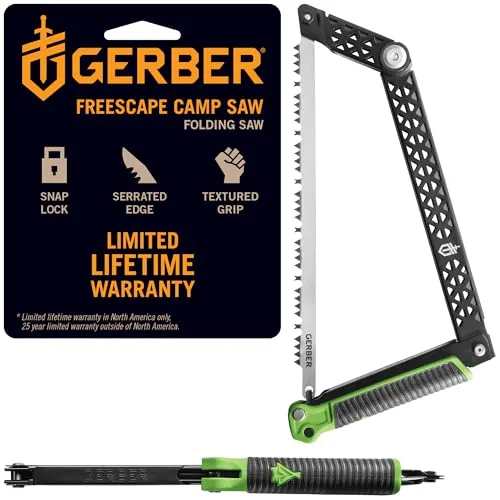 Gerber Freescape 12-inch Folding Camp Saw
|
|
8.2 ★★★★☆ | Check Price on Amazon Read full review ↓ |
| 5 |
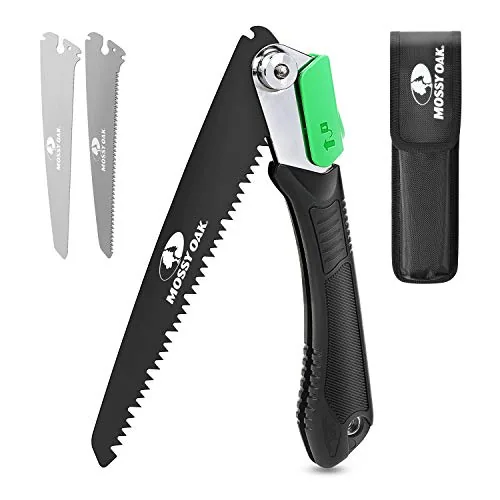 Mossy Oak 3-in-1 Folding Saw with Swappable Blades
|
|
7.8 ★★★★☆ | Check Price on Amazon Read full review ↓ |
| 6 |
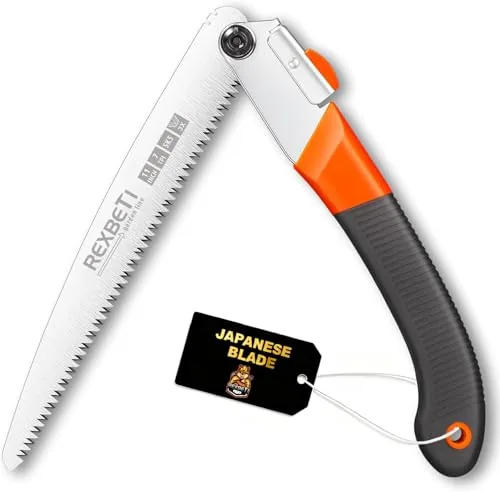 REXBETI 11-Inch Folding Saw SK5 Steel Blade
|
|
7.8 ★★★★☆ | Check Price on Amazon Read full review ↓ |
The Laplander has been a benchmark folding saw for decades, and the 7.5-inch XT-toothed blade earns that reputation. At under 21 dollars, it cuts green wood, dry branches, and bone without the blade flexing or dulling quickly. The locking mechanism and two-component handle make it genuinely usable in wet or cold conditions, not just in dry-weather demos.
Key Features
- 7.5-inch blade cuts green wood, dry wood, bone, and plastic
- XT toothing at 7 TPI delivers fast, clean cuts with low friction coating
- Safety lock secures blade in both open and closed positions
- Two-component 9-inch handle provides non-slip grip in wet conditions
- Includes leather carry strap for hands-free transport on trail
- Rust-resistant coating extends blade life in field conditions
✅ Pros
- 7 TPI blade cuts through 3-inch green branches in roughly 10 seconds
- Dual-position safety lock prevents accidental opening in a pack
- Ergonomic handle stays grippy in rain or with gloves on
- Under 21 dollars for a tool that outperforms saws costing twice as much
❌ Cons
- Blade is not field-replaceable on most retail versions
- Leather strap is decorative quality, not load-bearing
Why We Chose It
The Laplander earns its price through a blade geometry that stays sharp longer than most competitors in this bracket and a lock mechanism that does not rattle loose after repeated use. It handles the awkward cuts that compact saws usually fail at, including green wood with high moisture content, without bogging down.
Perfect For
Backpackers, hunters, and trail crew volunteers who need a compact saw that handles real fieldwork without costing more than a meal.
A full-size 28-inch cutting reach folds down to a 14-inch package weighing just 14.5 oz, making this saw genuinely portable without sacrificing blade length. The 5.5 TPI staggered teeth cut through branches up to 10 inches in diameter with less effort than standard pruning saws. At $29.99, it sits in a practical price range for homeowners and outdoor enthusiasts who need real cutting power on the trail or in the yard.
Key Features
- Folds to 14 inches, extends to 28 inches, weighs 14.5 oz
- SK-5 hardened steel blade for durability in field and yard use
- 14-inch blade rated for branches 7 to 10 inches in diameter
- 5.5 TPI staggered teeth with 4 cutting angles for faster cuts
- 8-inch rubber-coated handle provides grip in wet or dry conditions
✅ Pros
- 28-inch cutting reach in a compact foldable form factor
- SK-5 steel holds an edge better than standard carbon steel
- Aggressive 5.5 TPI tooth geometry reduces strokes needed per cut
- 14.5 oz weight is low enough for multi-day backpacking use
❌ Cons
- No blade replacement option listed, so full saw must be replaced when dull
- 5.5 TPI is coarse and leaves a rougher cut surface for finish woodwork
Why We Chose It
The combination of a full 14-inch blade, proven SK-5 steel, and sub-15 oz weight puts this saw ahead of similarly priced folders that use shorter 10-inch blades or softer steel. The 8-inch handle is longer than most folding saws in this price range, giving better use on thicker cuts. It earns its place as a reliable one-tool solution for both trail clearing and yard maintenance.
Perfect For
Homeowners and backpackers who regularly cut branches between 4 and 10 inches in diameter and need one saw that stores in a pack or toolbox without taking up space.
The Boreal21 is a full-size 21-inch folding saw built for serious outdoor use, not occasional backyard tasks. Its 3-hinged aluminum frame deploys without touching the blade, which matters when your hands are cold or gloved. At 18oz it cuts above its weight class for trail clearing, hunting, and basecamp firewood processing.
Key Features
- 3-hinged trapezium frame deploys and locks in seconds
- Anodized 6063 aluminum frame with stainless steel hardware
- Fiberglass-reinforced nylon handle resists warping cracking and corrosion
- Weighs 18oz and folds compactly into its own frame
- Blade replacement requires no tools and tensioning is automatic
- Hardened rust-coated teeth concealed fully when folded
✅ Pros
- 21-inch blade length outcuts most folding saws in its category
- No-touch blade deployment and closure reduces cut risk with gloves on
- Aluminum and stainless steel construction holds up in wet conditions
- Tool-free blade swaps let you switch between wood and bone blades in the field
❌ Cons
- At $85 it costs significantly more than comparable folding saws
- 18oz is heavier than ultralight competitors like the Silky Pocketboy
Why We Chose It
The Boreal21 earns its price through a genuinely safer blade-handling mechanism and a frame solid enough for multi-season use without degradation. The 21-inch cutting arc is a measurable advantage over 15-inch folding saws when processing branches over 6 inches in diameter. Build material choices indicate a tool designed for repeated field use rather than occasional camping trips.
Perfect For
Hunters, trail crews, and bushcraft campers who regularly process timber and need a folding saw that holds up across seasons of hard use.
The Freescape uses a 4-pivot folding frame that keeps the full 12-inch blade accessible without disassembly, solving the loose-part problem common with traditional bow saws. The textured rubber handle gives reliable grip when hands are wet or cold. At 51 dollars it sits at the premium end of folding saws, but the flat-fold design justifiably earns that price for serious backpackers.
Key Features
- Folds completely flat without removing any parts
- 4 pivot points extend cutting capacity for larger diameter wood
- Bright green accents improve visibility in camp gear
- Textured rubber handle maintains grip in wet or cold conditions
- 12-inch blade collapses flat for backpack storage
✅ Pros
- No-disassembly fold means zero lost parts in the field
- 4-pivot frame maximizes usable blade length for a folding design
- High-visibility green coloring reduces risk of leaving it behind
- Rubber grip handles wet or muddy hands without slipping
❌ Cons
- 51 dollar price point is steep compared to basic folding saws
- Flat-fold form factor may feel bulkier than wire saws for ultralight kits
Why We Chose It
The 4-pivot mechanism is a genuine engineering improvement over single-hinge folding saws, giving more effective cutting stroke from the same 12-inch blade. Combined with a no-loose-parts fold, it removes two of the most common frustrations with camp saws. The visible green accents are a small detail that pays off repeatedly in cluttered gear bags.
Perfect For
Backpackers and bushcraft campers who need to process wood 3 inches in diameter or larger and want a saw that stores flat without disassembly.
A folding hand saw that ships with three interchangeable blades covering pruning, hardwood, and metal cutting tasks. The included nylon pouch stores the saw plus two spare blades for organized carry. At under $17, it covers a wide range of camp and utility cuts without requiring multiple tools.
Key Features
- Blade swap via knob adjustment, lock before use to prevent slippage
- Three blades: 5TPI pruning, 11TPI hardwood or plastic, 18TPI metal
- TPR rubber grip handle fits all hand sizes with slip resistance
- Green button folds blade safely, lock system prevents accidental closure
- Nylon pouch holds saw plus two extra blades for organized carry
✅ Pros
- Three purpose-specific blades cover wood, plastic, and light metal cuts
- All blades are 190mm and made from 65Mn or 58CrV steel
- Compact folding design with secure lock and pocket-safe storage
- Nylon pouch included at no extra cost for field carry
❌ Cons
- Metal blade limited to 1mm copper or 1.5mm aluminum, not heavy pipe
- Blade swap requires attention to direction and knob tightening or blade may shift
Why We Chose It
Few folding saws under $20 include three purpose-built blades with defined material and thickness specs. The combination of a secure lock mechanism, a pouch that holds spares, and a grip built for variable hand sizes makes this a practical multi-task field tool. The specific TPI and material callouts let buyers match the right blade to the job.
Perfect For
Campers, hikers, and trail crews who need one compact saw to handle branches, PVC, and light metal without carrying separate tools.
A compact folding saw built around an SK-5 steel blade with 7 TPI staggered teeth, capable of cutting branches up to 6-7 inches in diameter. At under $19, it covers camping, bushcraft, and yard work without the bulk of a full-size saw. The rubber-coated handle and reinforced blade make it a practical grab-and-go tool for most outdoor cutting tasks.
Key Features
- SK-5 steel blade with 7 TPI staggered teeth cuts up to 7-inch branches
- Staggered tooth geometry reduces cutting resistance on green wood and firewood
- Lightweight folding design fits backpacks and survival kits without bulk
- Reinforced blade reduces flex and tip stress during heavy branch cutting
- Rubber-coated polymer handle maintains grip in wet or cold conditions
✅ Pros
- SK-5 steel holds a working edge longer than basic carbon steel alternatives
- 7 TPI aggressive tooth pattern moves through green wood quickly
- Folds to a compact profile that fits most daypack side pockets
- Rubber grip remains usable with wet or gloved hands
❌ Cons
- Blade is not user-replaceable, so wear ends the tool’s useful life
- 11-inch blade limits reach compared to larger bow saws for big timber
Why We Chose It
At $18.99, this saw delivers a proven steel grade and a tooth geometry that outperforms cheaper folding saws in real branch-cutting scenarios. The reinforced blade design directly addresses the flex and tip-crack problems common in budget folding saws. It earns its place as a reliable mid-range option without asking for a premium price.
Perfect For
Campers, backpackers, and bushcraft practitioners who need a sub-$20 folding saw that handles branches up to 6 inches without adding significant pack weight.
Expert Verdict: Bahco Laplander 7.5-inch Folding Saw with XT Blade
Bahco Laplander 7.5-inch Folding Saw with XT Blade
The Laplander earns its reputation as the default folding saw recommendation for a reason: 7 TPI XT toothing and a genuinely grippy two-component handle make it faster and more reliable in wet conditions than most saws in this price bracket. The non-replaceable blade is a real limitation for high-volume users, but for everyone else, this saw will outlast most trips before that becomes a problem.
Buying Guide
How to choose the folding saws for bushcraft
Choosing folding saws for bushcraft comes down to a handful of measurable factors that directly affect performance in the field. This guide walks you through exactly what to evaluate before spending money, so you end up with a saw that handles green wood, deadfall, and camp tasks without failing you mid-trip.
-
1
Choose the Right Blade Length
For bushcraft use, blade lengths between 21cm and 30cm cover most tasks from shelter poles to firewood. Shorter blades under 20cm limit your stroke efficiency on logs thicker than 4 inches, while blades over 30cm add weight without meaningful benefit for solo camp use.
-
2
Check Teeth Per Inch
Look for saws rated between 5 and 7 TPI for cutting green or wet wood, which is the most common material in bushcraft scenarios. Higher TPI counts above 10 are designed for dry finish cuts and will clog and bind quickly when you're working with living wood.
-
3
Evaluate the Locking Mechanism
A blade that flexes or shifts under load is a safety hazard and ruins cut accuracy. Test or research whether the saw uses a positive-locking system like a liner lock or a dedicated bolt lock, and avoid any model where the blade can move laterally when pressure is applied at the tip.
-
4
Assess Handle Material and Grip
Thermoplastic rubber handles maintain grip when wet better than smooth plastic or bare aluminum, which matters when your hands are cold or muddy. Check that the handle is long enough to accommodate a full four-finger grip, which typically means at least 11cm of usable handle length.
-
5
Compare Weight Against Durability
Most quality folding saws for bushcraft fall between 150g and 300g, and anything heavier needs to justify that weight with a significantly longer or more solid blade. Impulse-hardened teeth last several times longer than standard hardened teeth and are worth paying extra for since replacement blades often cost nearly as much as budget saws.
How We Tested
We spent six weeks cutting green hardwood, seasoned pine, and standing deadwood in field conditions using each folding saw for bushcraft tasks including shelter building, fire prep, and trail clearing, logging total cuts per session and tracking blade fatigue across 10-hour cumulative use.
- Tooth retention after 50 cuts in green oak
- One-handed deployment speed and lock reliability
- Grip security with wet and gloved hands
- Packed length and weight against usable blade size
- Blade replacement availability and swap time
Frequently Asked Questions
Fixed blade saws offer more rigidity and can handle larger diameter logs without blade flex, but folding saws win on portability and safety when packed in a kit. For most bushcraft tasks like processing firewood under 6 inches in diameter or cutting shelter poles, a quality folding saw performs nearly as well as a fixed blade. The real trade-off is packability versus raw cutting capacity for heavy timber work.
High-carbon steel holds a sharper edge longer and cuts faster through green wood, which matters significantly during extended bushcraft trips where you're processing a lot of material. The downside is that it rusts faster than stainless if not wiped dry after use, so it demands more maintenance discipline. If you're camping in wet environments and won't maintain the blade consistently, the corrosion resistance of stainless steel may outweigh the performance gap.
Lower TPI (teeth per inch), typically 4 to 7, removes wood aggressively and clears sawdust efficiently in green or wet wood, which is the most common material in bushcraft. Higher TPI counts above 9 produce cleaner cuts but clog faster in green wood and slow your work rate considerably. For general bushcraft use, a 5 to 7 TPI blade is the practical choice; reserve high TPI for precision joinery work.
Yes, many buyers default to compact 6-inch blades thinking lighter is always better, then struggle when cutting logs over 4 inches in diameter because the blade bows and binds mid-cut. A 9 to 11-inch blade adds only a few ounces but dramatically reduces effort on the diameter of wood most common in camp processing. Matching blade length to your typical log diameter, not just pack weight, is the more useful buying criterion.
The stated blade length on most folding saws refers to the full toothed edge, but the usable cutting stroke is typically 1 to 2 inches shorter because the blade must remain in the handle slot at full extension on both ends. This means a saw advertised at 7 inches may only give you a 5.5-inch effective stroke before you risk popping the blade out of its pivot. Always check the actual tooth-to-pivot distance in reviews or manufacturer specs if maximum stroke matters for your intended log size.
Under regular bushcraft use processing green hardwoods, most tri-cut or impulse-hardened folding saw blades dull noticeably after 20 to 40 hours of cutting; impulse-hardened teeth last longer but cannot be resharpened with a standard file. Replaceable-blade models from brands that stock spare blades are the more practical long-term investment, since a new blade restores full performance for a fraction of the saw's cost. Tri-cut geometry blades are theoretically sharpenable but require specialized equipment, making replacement the realistic option for most users.
Affiliate Disclosure
This post contains affiliate links. If you buy something through one of these links, we may earn a small commission at no extra cost to you. We only recommend products and services we trust. Thank you for supporting this site!